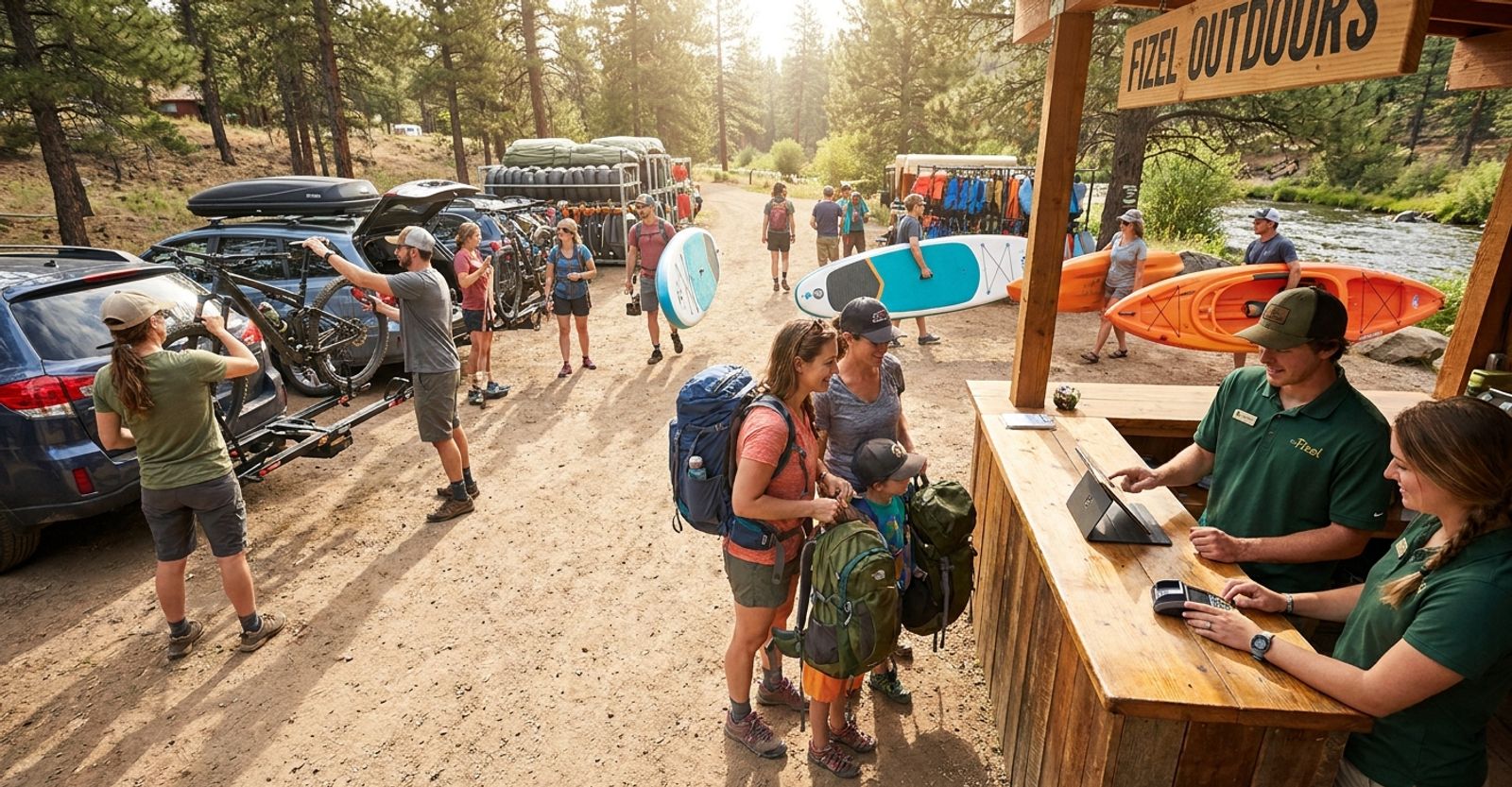
Equipment rental businesses have one thing in common regardless of what they rent: every transaction involves far more than simply selling a product.
Unlike traditional retail, rentals require businesses to manage reservations, inventory availability, pickup times, returns, customer information, deposits, and often damage protection. The payment itself is only one step in a much larger operational process.
Whether you're renting mountain bikes, paddleboards, kayaks, skis, camping equipment, snowshoes, climbing gear, or ATVs, the right payment solution should simplify every stage of the customer journey. When payment technology works seamlessly with your booking process, guests spend less time filling out forms and more time enjoying their adventure.
If you run a rental operation and want to see how these payment moments fit together in practice, Fizel's payment processing for outdoor equipment rentals page walks through the booking, pickup, extension and return cycle.
A rental begins before the customer arrives and continues after the equipment comes back.
- 01Reserve OnlineEquipment and pickup time selected in advance.
- 02Pay DepositDeposit or pre-authorization secures the gear.
- 03Pick Up EquipmentWaivers, fitting and balance handled at the counter.
- 04Enjoy & ReturnExtensions or add-ons charged on the spot.
- 05Receipt & RebookDeposit released, receipt sent, customer books again.
A rental is a sequence, not a single sale: the fewer systems involved, the fewer places it breaks.
Renting Equipment Is Different Than Selling It
Retail businesses complete a sale and the transaction is finished.
Rental businesses begin a relationship.
Equipment leaves your business, remains in a customer's possession for hours or days, and eventually returns. During that time you're responsible for tracking inventory, managing availability, handling deposits, and ensuring equipment is returned in good condition.
This makes rental operations significantly more complex than traditional point-of-sale environments.
Modern payment systems should work alongside reservation software and rental management tools rather than functioning as an isolated payment terminal.
When these systems are connected, staff spend less time entering information and more time helping customers.
Retail businesses complete a sale. Rental businesses begin a relationship.
Most Reservations Begin Online
Today's customers expect to reserve equipment long before they arrive.
Someone planning a weekend mountain bike trip or family kayaking excursion often books online days or weeks in advance. They expect to choose equipment, select pickup times, pay securely, receive confirmation emails, and make changes if their plans evolve.
The easier this process becomes, the more likely customers are to complete their reservation.
Bike rental and tour operators feel this earlier than most, because the reservation, the deposit and the guided departure are often paid for weeks before anyone reaches the shop. Our page on payments for bike rentals and tours covers advance reservations, pre-authorizations on higher-value fleets, group and tour bookings, and seasonal account pausing.
Modern payment systems integrate naturally into online booking workflows, allowing businesses to collect deposits, process full payments, and automatically send receipts without requiring manual administration.
Online reservations also provide valuable operational insight by helping businesses forecast demand and prepare equipment before customers arrive.
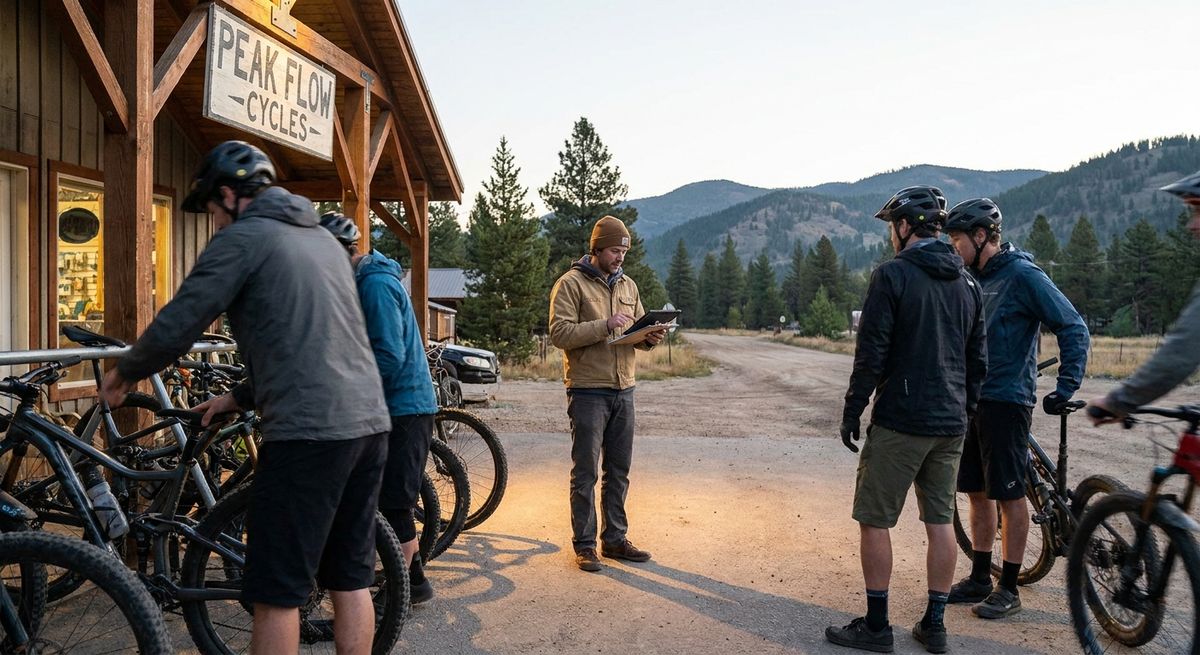
Deposits and Damage Holds Require Flexibility
One of the biggest differences between rental businesses and retail businesses is the need to protect valuable equipment.
Many businesses collect either security deposits or payment card pre-authorizations before equipment leaves the premises.
These transactions need to be handled carefully. Customers should understand exactly how deposits work, when they're released, and under what circumstances additional charges may apply, and operators should understand how those authorizations interact with card processing fees.
A modern payment platform should support flexible deposit management while making the process simple for both staff and customers.
Clear communication reduces disputes while helping guests feel confident throughout the rental experience.
Inventory and Payments Should Work Together
Equipment availability changes constantly throughout the day.
A bike that's rented at 9:00 a.m. isn't available for someone arriving at 10:00. The same applies to kayaks, paddleboards, skis, snowboards, and camping equipment.
Disconnected systems often create unnecessary work because staff must manually update reservations and inventory after every transaction.
Integrated payment platforms allow rental software, inventory management, and back-office reporting to work together, reducing duplicate work and minimizing the risk of overbooking.
Instead of constantly reconciling systems, staff can focus on preparing equipment and serving customers.
Customers Often Purchase More Than a Rental
Rentals frequently lead to additional purchases.
The same dynamic shows up across the outdoor economy, from bike shops to campgrounds and RV parks, where the rental counter is often the busiest retail desk on the property.
Someone renting skis may also need:
- Helmets
- Goggles
- Gloves
- Waxing services
A paddleboard rental may include:
- Dry bags
- Waterproof phone cases
- Lessons
- Guided tours
A mountain bike rental could lead to:
- Nutrition
- Apparel
- Protective equipment
- Repair kits
An integrated payment system makes it easy to combine rentals, retail purchases, and additional services into a single transaction, creating a smoother checkout experience while increasing revenue opportunities.
Mobile Payments Keep Customers Moving
Few things create frustration faster than asking customers to walk back to an office just to complete a payment.
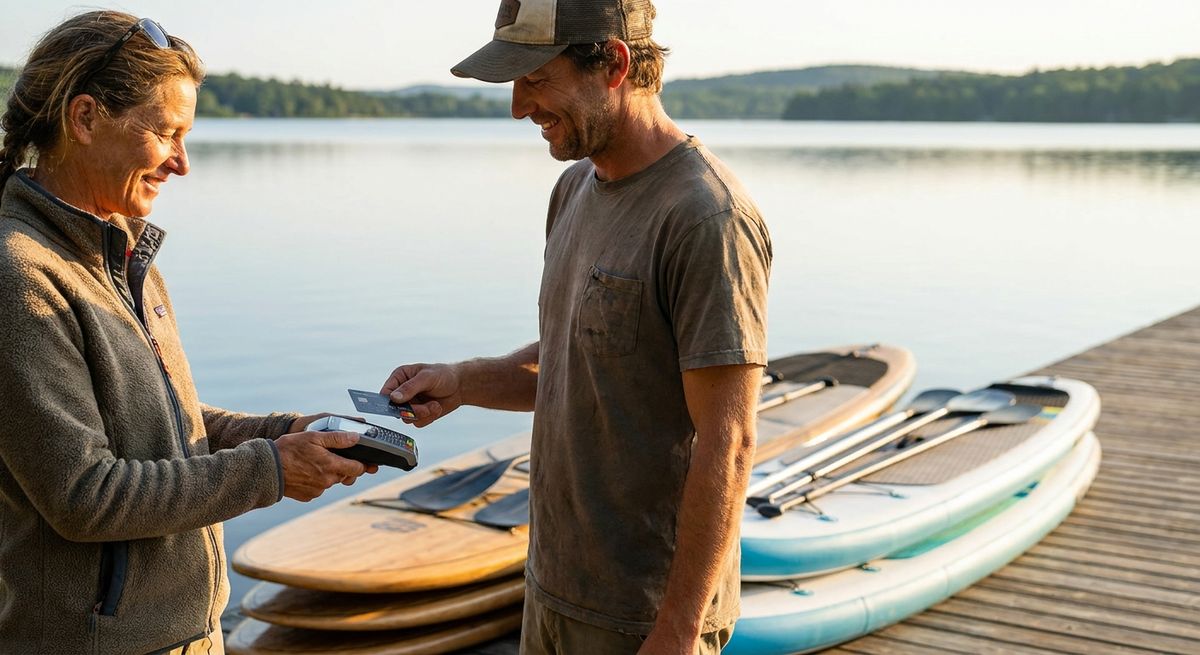
Many rental businesses operate well beyond a traditional storefront. Equipment may be collected at a beach, a marina, a ski base, a campground, or directly at a trailhead. In these situations, mobility isn't a convenience, it's an operational necessity.
Wireless payment terminals and mobile payment solutions allow staff to accept secure payments wherever the customer interaction happens. Whether collecting an outstanding balance, adding another rental item, or extending a booking, transactions can be completed on the spot.
This flexibility improves the customer experience while reducing unnecessary delays during busy periods.
Typical mobile payment scenarios include:
- Bike pickup locations
- Marina docks
- Paddle sports launch areas
- Campgrounds
- Ski base areas
- Guided tours
- Equipment returns
- Additional rental time
Seasonal Businesses Need Flexible Technology
Many equipment rental businesses experience dramatic seasonal fluctuations.
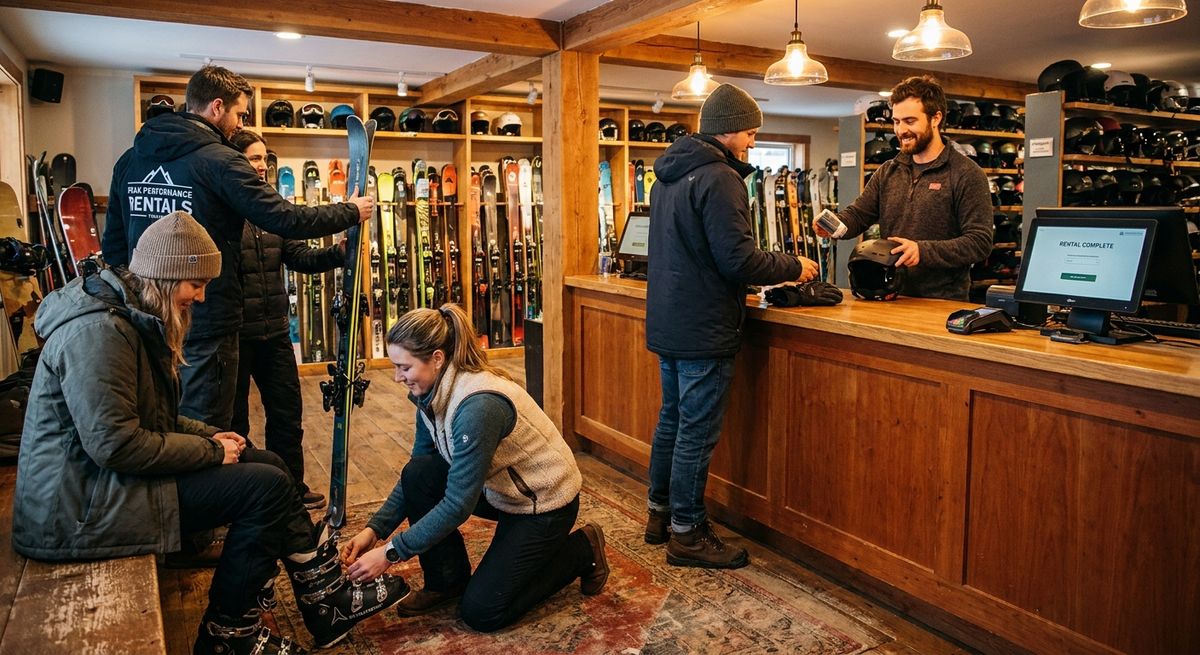
Summer may bring continuous demand for bikes, paddleboards, and kayaks, while winter shifts focus toward skis, snowboards, and snowshoes. During peak periods, transaction volume can increase dramatically over just a few weeks.
Payment technology should support these seasonal patterns rather than forcing businesses into systems designed for year-round retail.
Cloud-based reporting, mobile hardware, flexible terminals, and scalable payment solutions help businesses adapt as demand changes throughout the year.
A system that performs well during the busiest holiday weekend is just as important as one that remains cost-effective during quieter months, which is why understanding interchange pricing matters as much as the hardware itself.
Reporting Should Help You Run the Business
Every rental transaction creates valuable information.
Beyond simply recording a payment, it can provide insight into demand, inventory utilization, average rental duration, repeat customers, and seasonal trends.
When payment reporting is connected with reservation and inventory systems, owners gain a much clearer understanding of how the business performs.
Questions become easier to answer.
Which equipment generates the highest revenue? Which weekends consistently sell out? Which products are frequently rented together? Which customers return multiple times each season?
Better reporting leads to better business decisions.
Questions to Ask Before Choosing a Payment Provider
Choosing a payment processor isn't simply about finding the lowest advertised rate. Our guide to choosing the right payment processor covers the fundamentals in depth.
Equipment rental businesses should evaluate how well a provider supports the way they actually operate.
Before making a decision, consider asking:
| Question | Why It Matters |
|---|---|
| Can your payment platform integrate with our rental software? | Reduces duplicate work and improves accuracy. |
| Do you support online reservations and deposits? | Simplifies the booking process. |
| Can we process pre-authorizations or security deposits? | Protects valuable rental equipment. |
| Do mobile payment terminals work away from the office? | Supports beach, dock, trailhead, and mountain operations. |
| Can reporting combine rentals, retail, and services? | Provides better visibility across the business. |
| Is support available during weekends and peak seasons? | Outdoor businesses are busiest when customers are outside enjoying their adventures. |
A good payments partner should understand your operational workflow, not just your monthly processing volume.
Why Fizel
Fizel was built specifically for businesses in the outdoor economy.
We understand that rental businesses aren't simply processing transactions. They're managing reservations, protecting valuable equipment, coordinating inventory, and helping customers create memorable experiences.
Our payment solutions for rental operations are designed around those realities.
Whether you're renting mountain bikes, paddleboards, skis, camping equipment, or kayaks, we help simplify payments through transparent pricing, modern technology, and knowledgeable support.
Our goal is simple: help your team spend less time managing payments and more time getting customers outside.
Frequently Asked Questions
Can customers reserve equipment online?
Yes. Modern payment platforms integrate with many reservation systems, allowing customers to book equipment, pay deposits, and receive confirmation before they arrive.
Can payment systems manage security deposits?
Yes. Many solutions support both deposits and payment card pre-authorizations, helping businesses protect valuable rental equipment.
Can staff accept payments away from the storefront?
Absolutely. Wireless payment terminals allow transactions to be completed at pickup locations, beaches, marinas, trailheads, ski areas, and other remote locations where connectivity is available.
Can rental businesses combine retail purchases with rentals?
Yes. Integrated payment systems allow businesses to process rentals, merchandise, accessories, lessons, and services within a single transaction.
What should rental businesses look for in a payment processor?
Look for transparent pricing, reservation integrations, mobile payment capabilities, support for deposits and pre-authorizations, reliable customer support, and reporting that works alongside your rental management software.
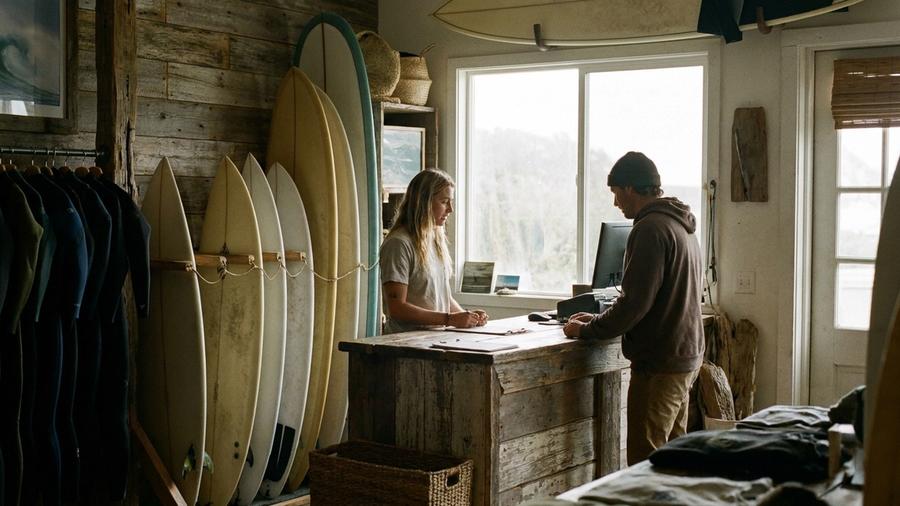
Rentals often sit alongside retail and service work rather than standing alone. Surf shops are a clear example: the same counter handles board and wetsuit rentals, walk-in retail, ding repairs and online orders, and the payment environment has to cover all four.
Spend More Time Serving Customers. Less Time Managing Payments.
Whether you rent bikes, skis, paddleboards, kayaks, camping gear, or climbing equipment, the right payment technology should simplify your operation from reservation to return.
Fizel helps equipment rental businesses streamline payments, reduce administration, and create better customer experiences with solutions built specifically for the outdoor economy. Request a quote →