Choosing a payment processor is one of the most important technology decisions an outdoor business will make. While it may seem like a simple utility (something that accepts credit and debit cards) it affects nearly every part of your operation, from customer experience and cash flow to reporting, security, and staff efficiency.
For many business owners, comparing providers starts and ends with processing rates. While pricing certainly matters, it's only one piece of the picture. A processor that saves a few basis points but creates operational headaches can end up costing far more in lost productivity and customer frustration.
The best payment partner is one that fits the way your business operates today while supporting where you want it to go tomorrow.
Start by Understanding Your Business
Every outdoor business processes payments differently.
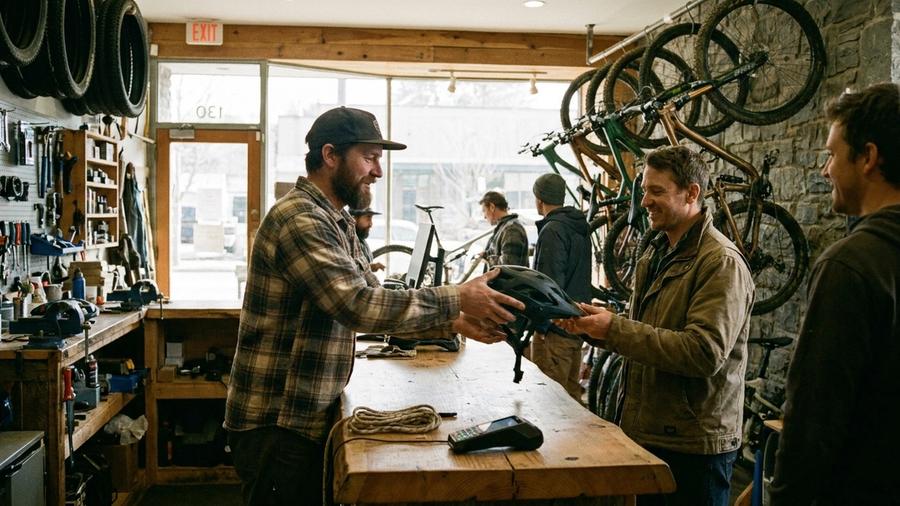
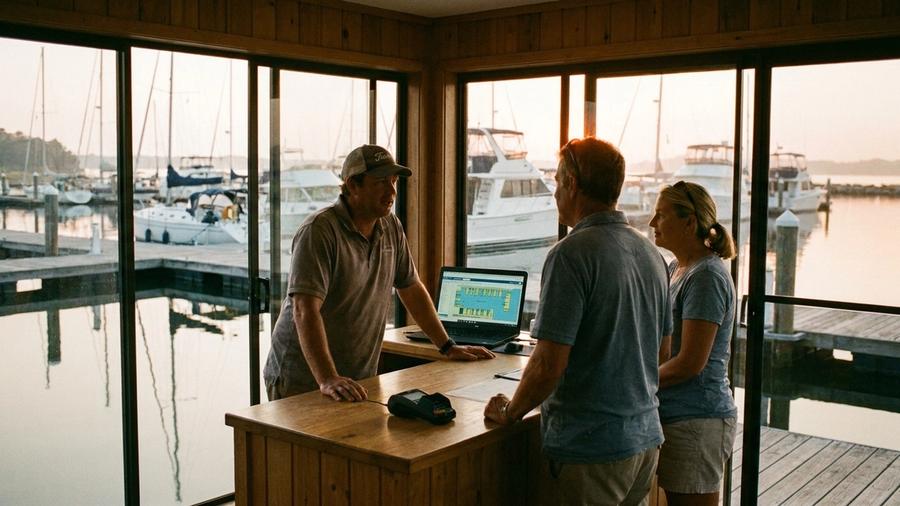
A bike shop has different requirements than a campground. A marina operates differently from a rafting company. Before comparing providers, spend some time mapping how customers interact with your business.
Think about where payments happen, what software you already use, whether you sell online, and how seasonal your operations are. These factors have a much bigger impact on choosing the right solution than many business owners realize.
| Business Type | Typical Priorities |
|---|---|
| Bike Shops | POS integration, inventory, repairs |
| Campgrounds | Reservations, deposits, recurring billing |
| Marinas | Slip rentals, fuel sales, wireless terminals |
| Guides & Outfitters | Mobile payments, deposits, online bookings |
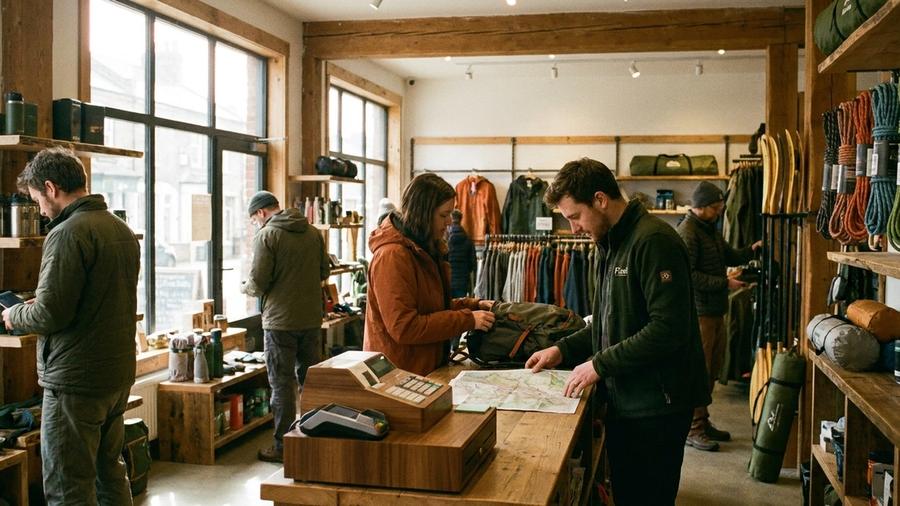
| Outdoor Retail | Ecommerce, loyalty, inventory |

Don't Focus Only on Processing Rates
Processing rates are easy to compare because they're visible. Unfortunately, they're also one of the least useful ways to evaluate a provider.
A lower advertised rate may come with additional monthly fees, equipment costs, long-term contracts, or limited customer support. In some cases, the cheapest option becomes the most expensive once all costs are considered.
Instead of asking "What's your rate?", ask "What's my total cost of ownership?" That includes software, hardware, support, reporting, contract flexibility, and the time your staff spends managing the system.
Instead of asking what's your rate, ask what's my total cost of ownership.
Look for Technology That Fits Your Workflow
Your payment system should make daily operations easier, not introduce more complexity.
If you already use a point-of-sale system, reservation platform, or ecommerce solution, look for a payment processor that integrates with those tools. Connected systems reduce manual work, improve reporting, and create a smoother customer experience.
Modern payment solutions should also support contactless payments, digital wallets, mobile devices, and online transactions. As customer expectations evolve, flexibility becomes increasingly important.

Customer Support Is Part of the Product
The best time to evaluate customer support isn't when everything is working, it's when something isn't.
Outdoor businesses often operate during evenings, weekends, and peak seasonal periods. If a payment terminal stops working on a busy holiday weekend, responsive support can make the difference between a minor inconvenience and significant lost revenue.
Ask prospective providers how support works, when it's available, and whether you'll speak with knowledgeable people who understand your business.
Security Should Be Built In
Protecting customer payment information is essential for every business.
Look for providers that support EMV chip processing, end-to-end encryption, tokenization, and PCI-compliant infrastructure. These technologies help reduce fraud and protect both your business and your customers.
Security shouldn't require extra effort from your team. It should be built into the platform from the beginning.
Questions Every Business Should Ask
Before signing an agreement, ask potential providers:
A provider should answer these questions clearly and confidently.
Common Mistakes to Avoid
Many businesses make the same mistakes when evaluating payment providers.
These include choosing solely based on price, overlooking integration requirements, underestimating the importance of customer support, and accepting long-term contracts without understanding the terms.
Taking a little more time during the evaluation process can prevent costly changes later.
Why Outdoor Businesses Need Something Different
Outdoor businesses often operate in unique environments. Payments may happen at a marina, a campground, a trailhead, or inside a seasonal retail store. Revenue can fluctuate dramatically throughout the year, and many businesses combine retail, rentals, reservations, memberships, and services under one roof.
These operational realities require a payment partner that understands more than transaction processing. The right technology should adapt to the way outdoor businesses work rather than forcing them into generic retail workflows.
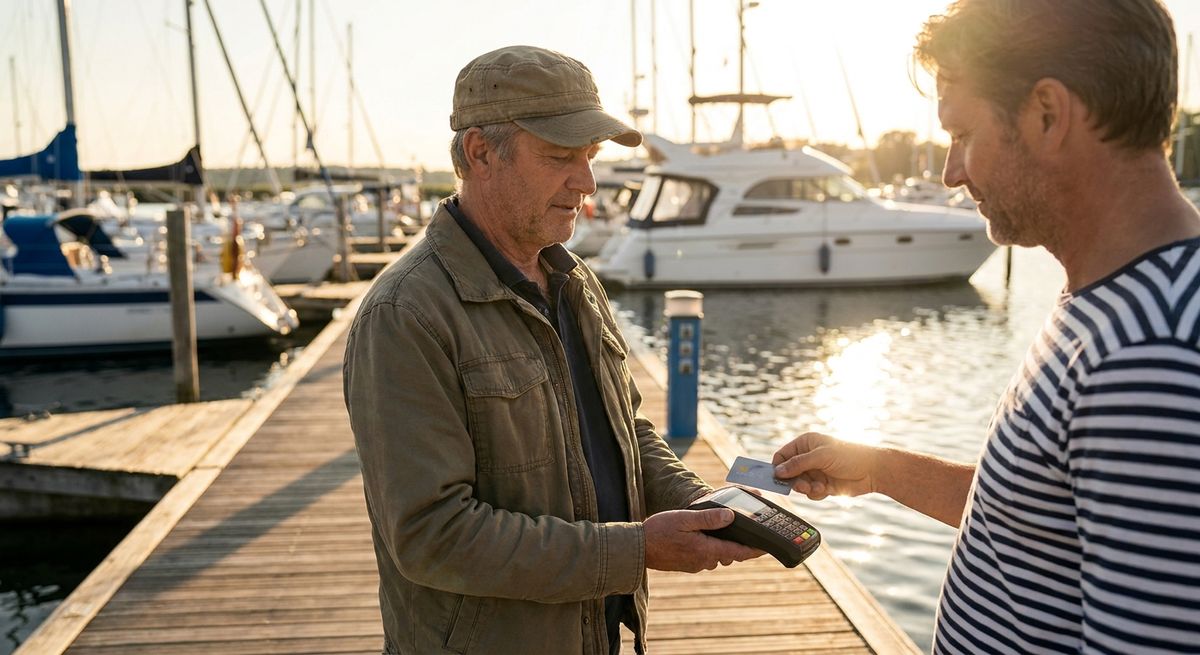
The right technology should adapt to the way outdoor businesses work rather than forcing them into generic retail workflows.
Why Fizel
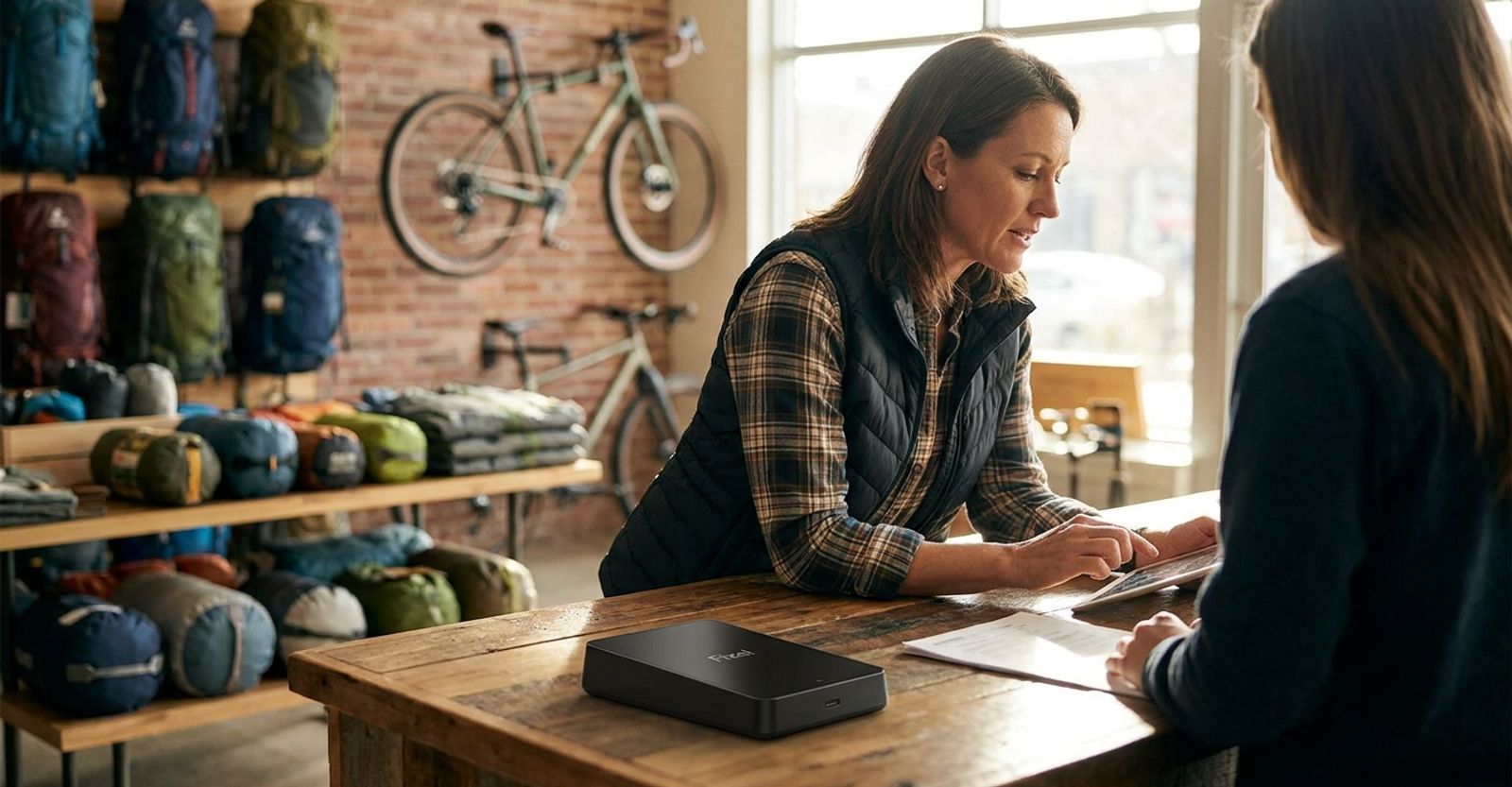
Fizel was created exclusively for the outdoor economy.
We combine decades of payments expertise with a genuine understanding of the businesses that help people ride, paddle, climb, fish, camp, ski, surf, and explore.
Rather than trying to serve every industry, we've chosen to focus on one. That allows us to recommend solutions that align with the operational realities of outdoor businesses while providing transparent pricing, modern technology, and dedicated support.
Frequently Asked Questions
What is the most important factor when choosing a payment processor?
The best payment processor is one that fits your business model, integrates with your existing systems, provides reliable support, and offers transparent pricing, not simply the lowest advertised rate.
Should I choose a processor based on price alone?
No. Processing rates are only one part of the total cost. Support, software, hardware, integrations, and contract terms all affect long-term value.
Why do integrations matter?
Integrated systems reduce manual work, improve reporting, minimize errors, and create a better customer experience.
Can I switch payment processors?
Yes. Many businesses change providers to improve pricing, service, or technology. A good partner should make the transition straightforward.
What should outdoor businesses look for?
Look for a processor that understands seasonal operations, mobile payments, reservations, retail, and the unique workflows common across the outdoor economy.
Before you compare providers, work out what you pay now. A recent statement run through our free statement analysis gives you an effective rate and a fee breakdown you can hold every proposal against.