
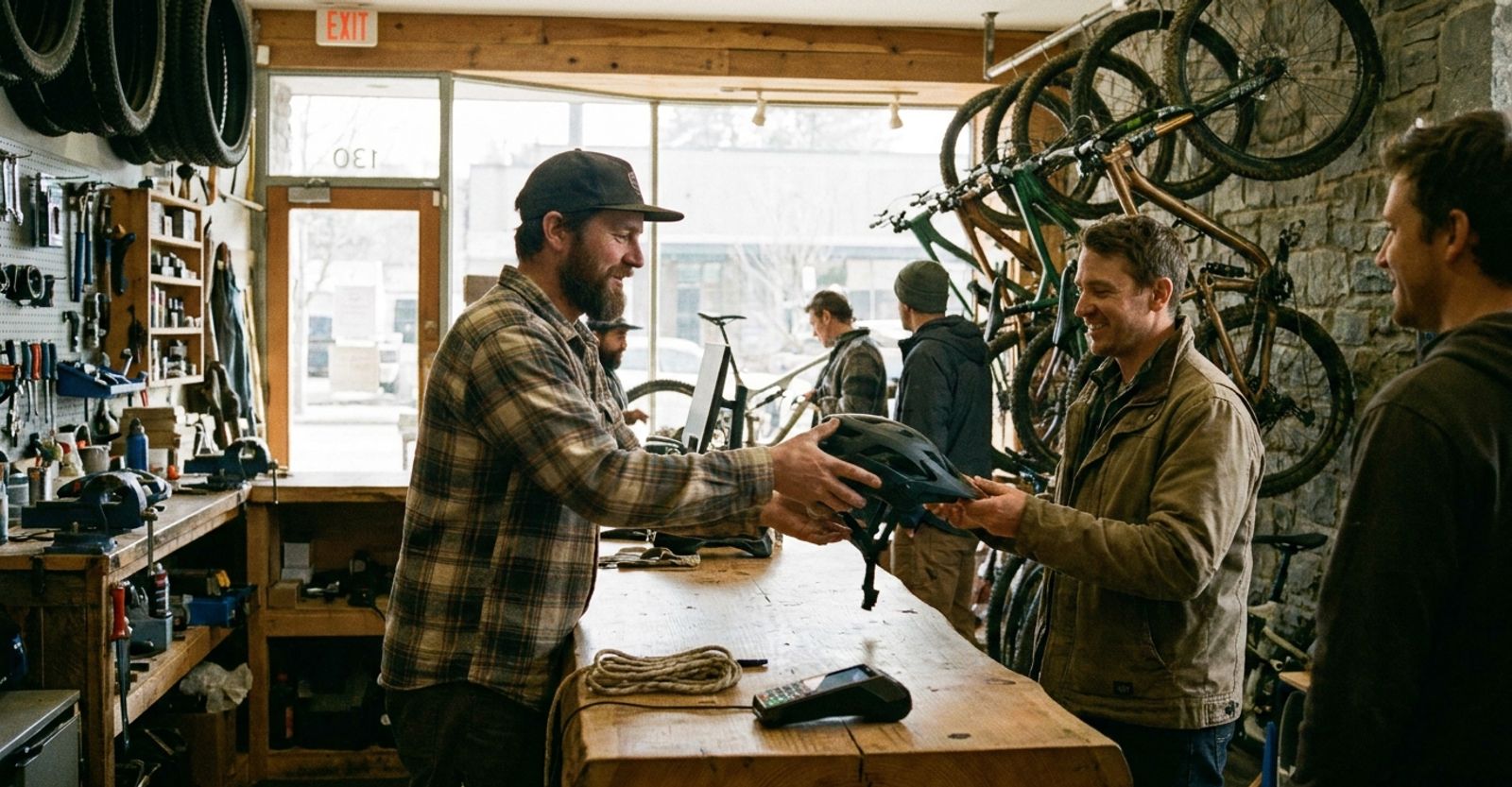
Running a bike shop has never been just about selling bicycles.
Walk into a successful shop on a Saturday morning and you'll likely see a repair technician discussing a service estimate, a customer comparing mountain bikes, someone picking up an online order, another renting bikes for the weekend, and a family browsing helmets and apparel. Every interaction involves a different workflow, but they all share one thing in common: payments should be seamless.
The best payment systems don't simply process transactions. They support the way a bike shop operates, allowing staff to focus on customers instead of technology. Whether you're an independent retailer, a growing multi-location business, or a specialty mountain bike shop, choosing the right payments partner can improve the customer experience while making everyday operations easier.
Bike Shops Operate Differently
Unlike many retail businesses, bike shops often combine several businesses under one roof.
A customer might purchase a new bicycle, schedule a suspension service, reserve a rental bike for next weekend, and buy accessories, all in a single visit. Others may order online and pick up in-store, while loyal customers return regularly for tune-ups and seasonal maintenance.
These overlapping revenue streams create unique payment requirements that generic retail solutions don't always handle well.
We have written more about how those pieces fit together on our payment processing for bike shops page.
A payment platform designed for retail and service businesses should support retail sales, repairs, rentals, ecommerce, deposits, and customer service without forcing staff to switch between multiple disconnected systems.
| Business Need | Recommended Solution |
|---|---|
| Bike sales | Integrated POS + terminal |
| Repairs & service | Virtual terminal + digital invoicing |
| Rentals & demos | Deposits + mobile payments |
| Ecommerce | Online checkout + gateway |
| Gift cards | POS integration |
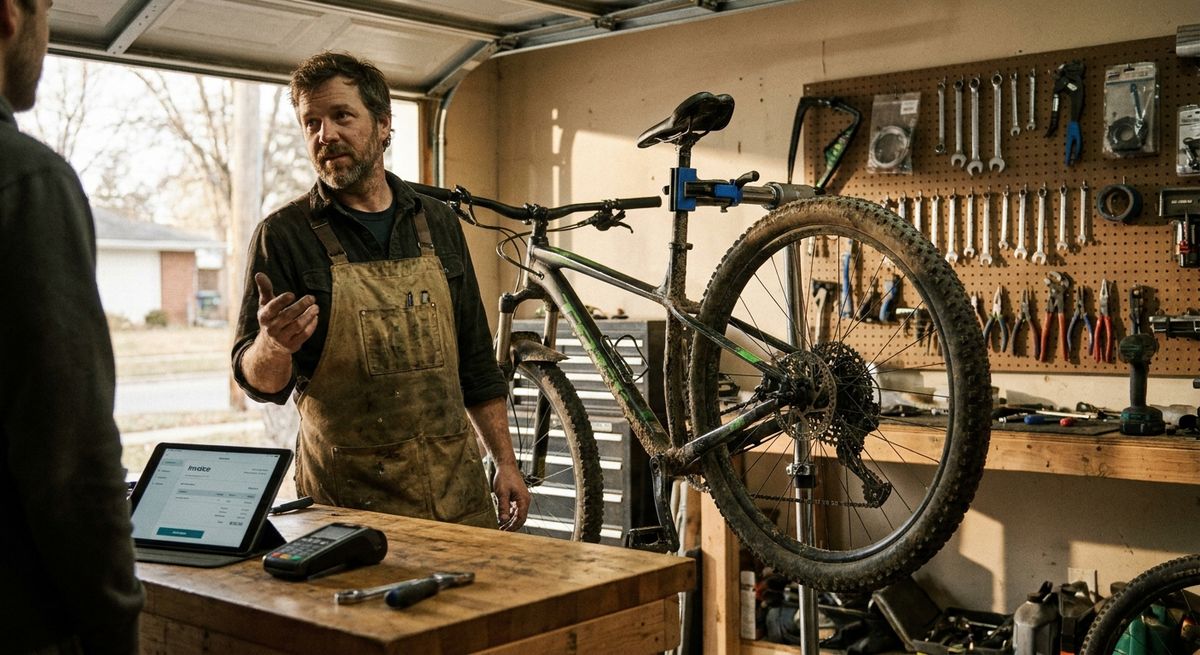
Creating a Better Checkout Experience
Customers expect payments to be quick, convenient, and reliable.
Whether they're buying a water bottle or investing several thousand dollars in a new mountain bike, the checkout experience should feel effortless.
Modern payment terminals now support contactless cards, Apple Pay, Google Pay, digital wallets, and traditional chip cards, giving customers the flexibility to pay however they prefer.
Fast, reliable payments reduce queues during busy weekends and help create a professional first impression.
The best payment systems don't simply process transactions. They support the way a shop already works.
Supporting the Service Department
For many bike shops, the service department is one of the most valuable parts of the business.
Unlike retail sales, repairs often involve estimates, deposits, additional work approvals, and final balances. Customers appreciate receiving invoices digitally and paying quickly when their bike is ready for pickup.
The right invoicing and back-office setup should fit naturally into this workflow, making it easy for staff to accept deposits, send payment requests, and complete transactions without unnecessary administration.
Selling Beyond the Store
Today's customers don't always begin their buying journey in person.
Many research products online, reserve inventory, book service appointments, or purchase accessories before visiting the store.
An integrated online payment experience helps ensure those interactions feel as seamless as an in-store purchase. Whether customers are buying apparel, reserving a rental bike, or paying for a service appointment, online payments should be secure, straightforward, and consistent with the rest of your business.
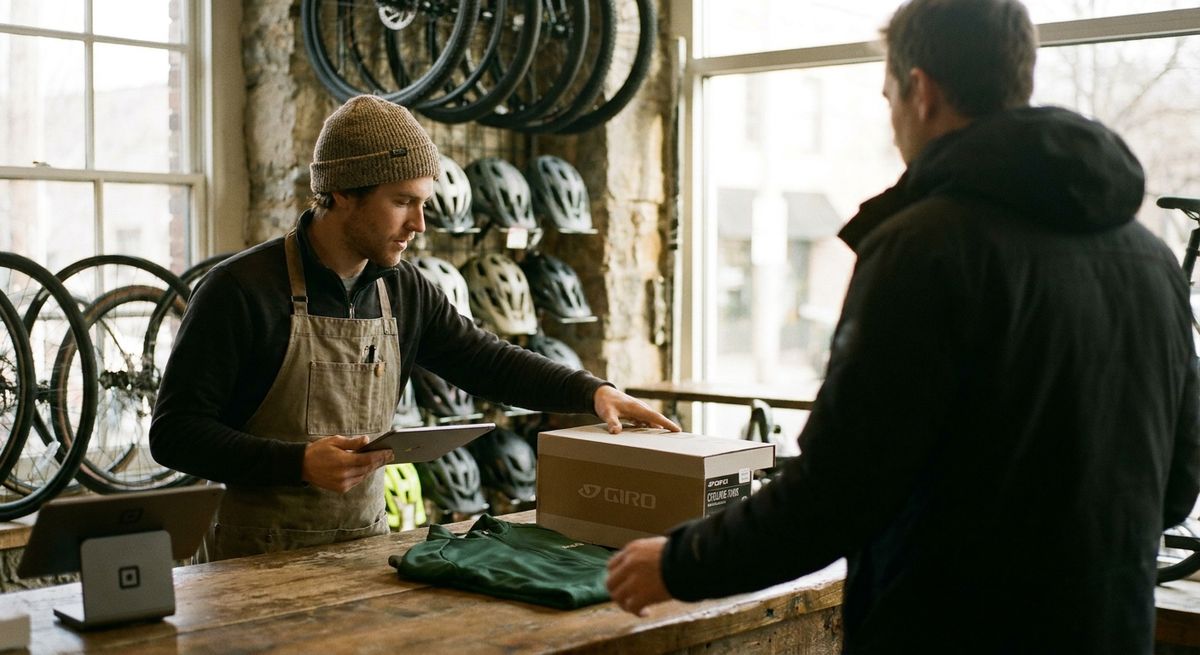
Rentals and Seasonal Business
Many bike shops supplement retail sales with rental fleets, demos, or guided rides.
These businesses introduce additional payment workflows, including reservation deposits, security deposits, mobile payments, and quick customer check-in.
During peak season, efficiency becomes even more important. Staff should spend their time fitting bikes and helping customers, not managing paperwork or manually entering payment information.
A well-designed payment system keeps operations moving even during the busiest weekends.
Integration Matters
Payment processing shouldn't exist in isolation.
When payments connect directly with your point-of-sale system, inventory, customer history, gift cards, and reporting all work together.
This reduces manual reconciliation, minimizes errors, and gives owners a clearer picture of how the business is performing. Instead of managing multiple disconnected systems, everything works as part of a single workflow.
Security and Reliability
Customers trust bike shops with more than their bicycles. Protecting payment information is an essential part of maintaining that trust.
Modern payment platforms include technologies such as EMV chip processing, end-to-end encryption, tokenization, and PCI-compliant infrastructure to help protect both merchants and customers.
Equally important is reliability. Payment systems should continue performing during busy weekends, special events, and seasonal peaks when every sale matters.
Choosing the Right Payments Partner
Price is important, but it shouldn't be the only consideration.
The right payments partner understands the realities of running a bike shop: seasonal demand, repair workflows, online sales, rentals, and the importance of delivering an exceptional customer experience.
Transparent pricing, knowledgeable support, modern technology, and dependable service often create more long-term value than simply chasing the lowest processing rate.
Why Fizel
Fizel was built specifically for businesses in the outdoor economy.
Our team brings decades of payments experience combined with a genuine understanding of how outdoor businesses operate. We know that a bike shop isn't simply a retail store. It's a place where people gather, plan adventures, maintain equipment, and invest in the activities they love.
Whether you operate a neighbourhood bicycle shop or a growing chain of locations, Fizel helps simplify payments while supporting the way your business works.
Frequently Asked Questions
What payment system is best for a bike shop?
The best solution combines modern payment terminals, integrated point-of-sale technology, ecommerce capabilities, and transparent pricing. It should support retail, repairs, rentals, and online sales without requiring multiple disconnected systems.
Can bike shops accept Tap to Pay?
Yes. Modern payment terminals support Tap to Pay, contactless cards, Apple Pay, Google Pay, and other digital wallets.
Can one payment system support retail, repairs, and rentals?
Yes. Many integrated payment platforms are designed to support multiple workflows within the same business, making operations simpler and reducing administrative work.
Should my ecommerce store use the same payment provider as my physical shop?
In most cases, yes. Using the same provider often improves reporting, simplifies reconciliation, and creates a more consistent customer experience.
How important is payment security?
Very. Modern payment platforms should include PCI-compliant infrastructure, encryption, tokenization, and fraud protection to help safeguard customer payment information.