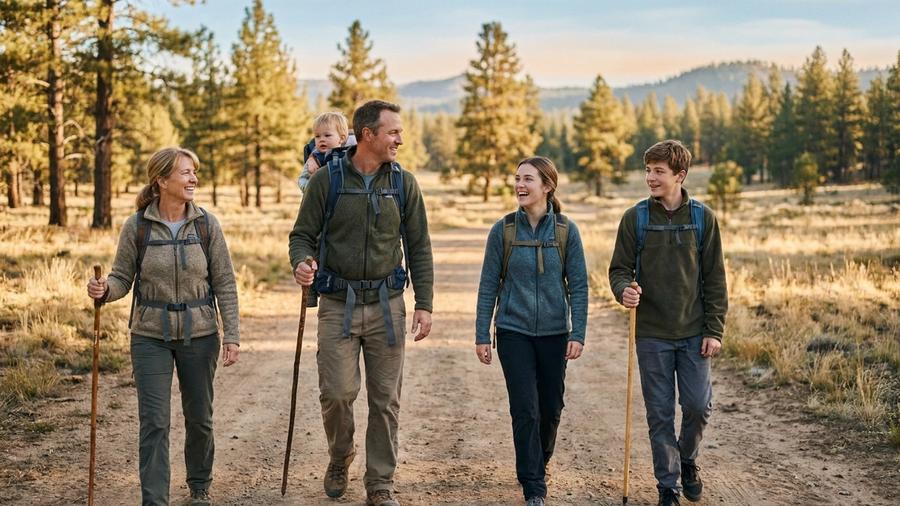
Understanding one of North America's largest consumer economies.
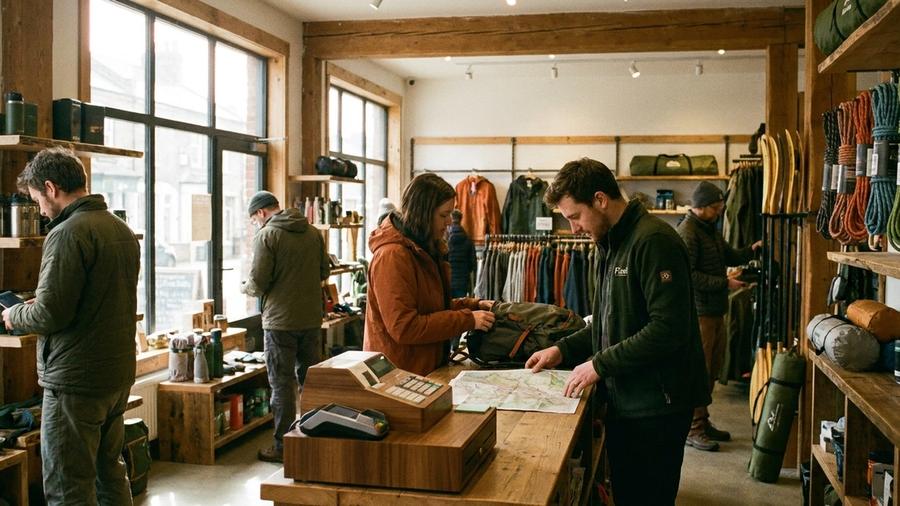
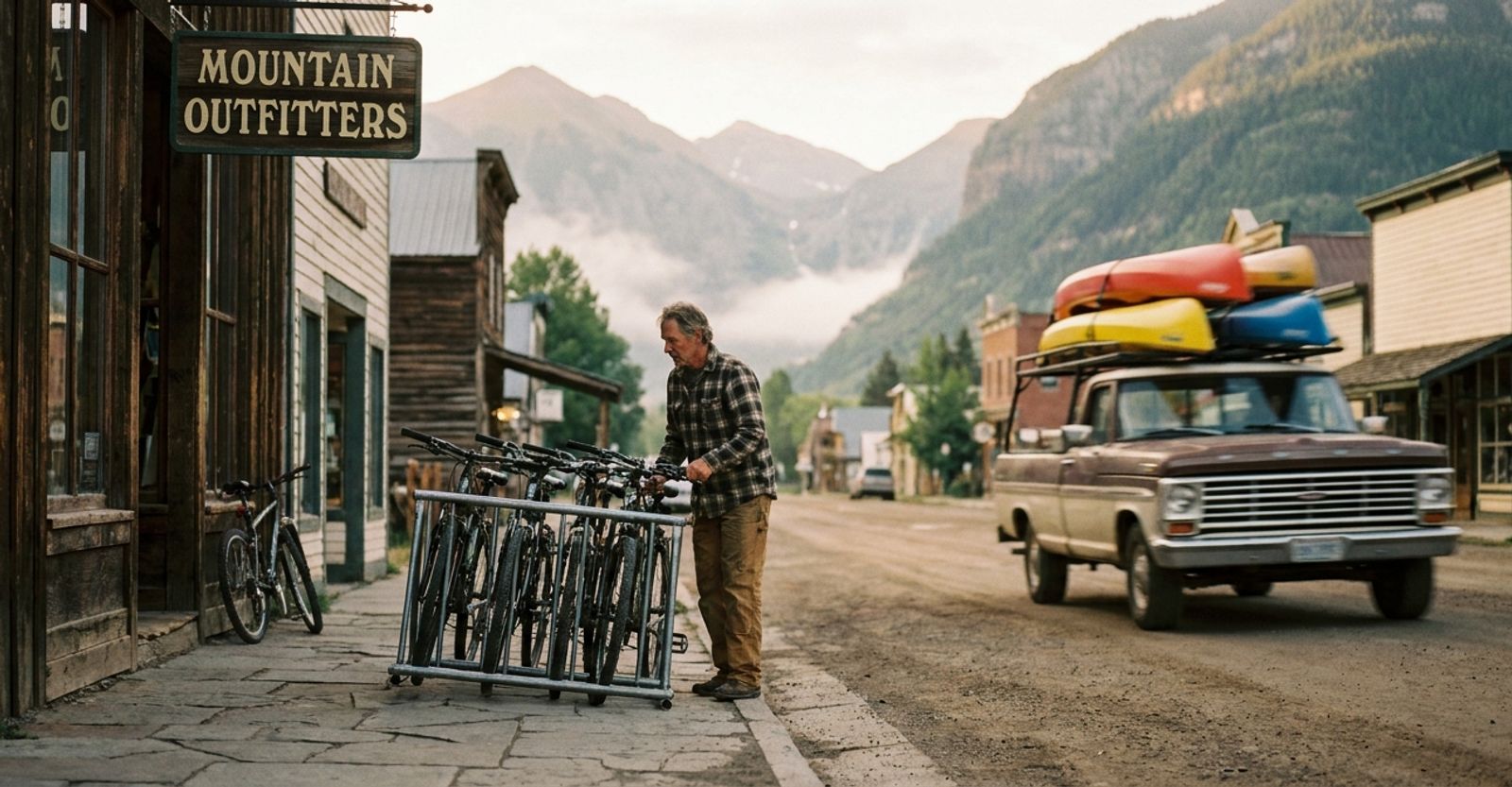
The outdoor economy is easy to underestimate because it doesn't fit neatly into a single industry. It includes the bike shop helping a customer prepare for a weekend ride, the campground welcoming families for the summer, the marina supporting recreational boaters, the ski resort selling season passes before the first snowfall, and the guide taking visitors deep into the backcountry.
It also extends far beyond recreation itself. Outdoor activity supports retail, hospitality, tourism, transportation, manufacturing, restaurants, accommodation, real estate, technology, equipment rental, and thousands of locally owned service businesses. Taken together, the economic footprint is enormous.
In the United States alone, outdoor recreation contributes roughly US$700 billion of annual economic value and supports more than 5 million jobs. Broader estimates of consumer spending associated with outdoor recreation reach well above US$1 trillion annually when equipment, travel, lodging, food, transportation, and related spending are included.
Canada has a smaller population but an equally deep connection to outdoor recreation. Camping, skiing, boating, hiking, cycling, fishing, hunting, paddling, and other activities support billions of dollars of economic activity across the country, particularly in British Columbia, Alberta, Ontario and Quebec. The result is an increasingly sophisticated outdoor business ecosystem serving hundreds of millions of recreation experiences every year.
Executive Summary
Outdoor recreation experienced significant growth during the early 2020s, but much of that participation has proven remarkably durable. Consumers continue to place greater value on experiences, wellness, travel, and time outside. Hiking, camping, fishing, cycling, skiing, boating, paddling and other activities remain embedded in the lifestyles of millions of North American households.
At the same time, the businesses serving those consumers have changed. An outdoor retailer may now combine physical retail, ecommerce, rentals, repairs, community events and education. A campground may operate accommodations, reservations, retail, equipment rentals and recurring seasonal sites. Ski resorts increasingly operate year-round businesses with mountain biking, dining, accommodation and events.
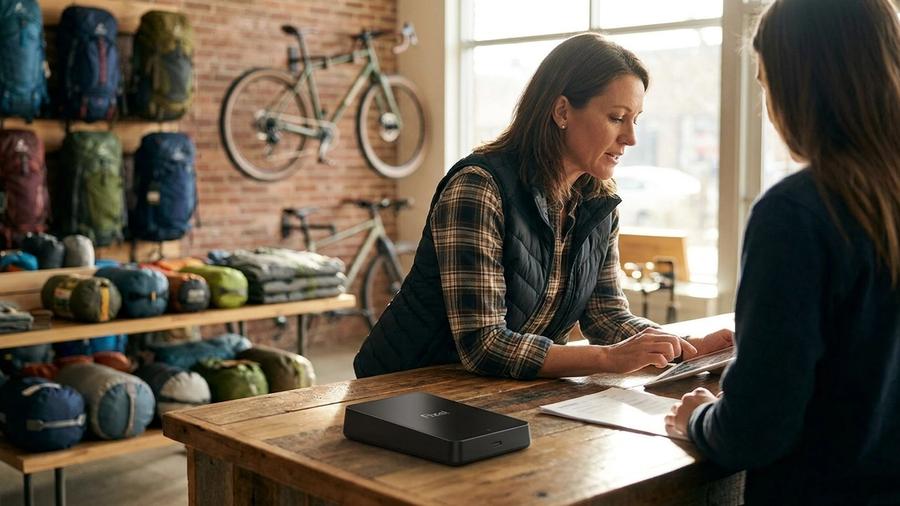
Technology is increasingly connecting those operations. Online booking, ecommerce, mobile payments, digital wallets, integrated POS systems, recurring billing and customer data are becoming standard expectations rather than optional upgrades.
For outdoor businesses, the opportunity is significant. But the businesses best positioned to capture it will increasingly be those that combine authentic customer experiences with efficient modern operations.
Outdoor Economy at a Glance
The scale is larger than most people realize
Outdoor recreation touches almost every region and demographic in North America. Unlike industries concentrated in major cities, outdoor recreation distributes economic activity across small towns, tourism communities, mountain regions, coastal areas and rural markets.
A single recreation trip can generate spending across fuel, accommodation, restaurants, retail, guiding, rentals and entertainment. That multiplier effect is part of what makes the outdoor economy so significant.
Government agencies increasingly measure outdoor recreation separately because of the size of its contribution to employment and GDP. Industry groups take an even broader view, measuring the consumer dollars that flow through equipment, travel and recreation experiences. Both approaches tell the same underlying story: outdoor recreation is a major economic force.
- US$697BU.S. outdoor recreation economic value addedRoughly 2.4% of U.S. GDP
- 5.2MU.S. jobs supported by outdoor recreationDirect economic employment
- US$1.1TBroader U.S. outdoor recreation consumer spendingIncludes travel, lodging, food and equipment
- ~180MAmericans participating in outdoor recreationRoughly 55% of Americans age 6+
- ~30MCanadian outdoor recreation participantsBroad estimate across major activities
- 60M+North American camping households annuallyTent, RV, cabin and other camping
Working 2026 figures compiled from government and industry sources; estimates vary by definition.
| Metric | Working 2026 figure | Notes |
|---|---|---|
| U.S. outdoor recreation economic value added | ~US$697B | Roughly 2.4% of U.S. GDP |
| U.S. outdoor recreation jobs | ~5.2M | Direct economic employment |
| Broader U.S. consumer spending | ~US$1.1T annually | Includes broader recreation-related spending |
| U.S. outdoor participation | ~180M people | Roughly 55% of Americans age 6+ |
| Canadian outdoor recreation participants | ~30M people | Broad estimate across major activities |
| North American camping households | ~60M+ households | Tent, RV, cabin and other camping |
| U.S. ski/snowboard visits | ~60M visits/year | Varies materially with snow conditions |
| Canadian ski visits | ~18 to 20M visits/year | Alpine and major resort activity |
| U.S. recreational boating participants | ~85 to 100M people | Broad participation estimate |
| North American cyclists | 100M+ | Recreational and transportation cycling combined |
United States vs. Canada
Different scale, similar outdoor culture
The United States dominates the North American outdoor economy in absolute dollars because of its population and overall economic size. But Canada has an unusually high concentration of natural recreation assets and a strong outdoor culture relative to its population.
The two markets also share many of the same structural characteristics. Both have large networks of public lands and parks. Both support mature ski, camping, recreational boating, cycling, fishing and outdoor retail industries. Both have substantial domestic tourism driven by recreation.
The business opportunity therefore extends across the border, even though specific consumer behaviour and market size differ.
| Metric | United States | Canada |
|---|---|---|
| Population | ~342M | ~41M |
| Outdoor recreation economic contribution | ~US$697B | ~C$50 to 70B* |
| Share of GDP | ~2.4% | ~2%* |
| Outdoor-related employment | ~5.2M | ~500K to 700K* |
| Outdoor participants | ~180M | ~30M* |
| Ski visits annually | ~60M | ~18 to 20M |
| Recreational boating participants | ~90M | ~12M* |
| Camping | ~55M households | ~10M+ people* |
* Working estimate to be validated before publication.
A useful takeaway isn't simply that the U.S. market is larger. Canada's much smaller population means outdoor recreation represents a disproportionately important part of the lifestyle and tourism economies in many regions. British Columbia, Alberta and Quebec in particular have globally recognized skiing, mountain biking, hiking, camping and adventure tourism sectors. For companies serving outdoor businesses, a North American strategy therefore makes considerable sense.
Outdoor Participation
Participation is the engine behind the economy
Every dollar in the outdoor economy ultimately begins with someone choosing to spend time outside. That makes participation one of the most important indicators of long-term industry health.
Participation expanded sharply during the early 2020s as consumers rediscovered nearby outdoor activities. The more important development is that much of that participation remained after restrictions ended. Millions of people who began hiking, camping, cycling, fishing or paddling continued doing those activities.
The outdoor consumer base has also broadened. Recreation is increasingly drawing younger participants, families, women, diverse communities and older adults looking for accessible ways to stay active. This creates a larger and more varied customer base for outdoor businesses.
Annual participants, in millions. Totals vary by how each organization defines participation, but the relative scale is consistent across sources.
- Walking for fitness/recreation~115M
- Recreational boating~90M
- Hiking~62M
- Fishing~58M
- Cycling~50M
- Running & trail running~50M
- Kayaking~20M
- Alpine skiing~15M
- Climbing~7 to 10M
- Snowboarding~8M
- Stand-up paddleboarding~4 to 5M
Millions of annual participants
The exact totals vary depending on how organizations define participation, but the direction is more important than any single figure. Outdoor recreation now reaches a very large portion of North American households.
What This Means for Outdoor Businesses
A larger market doesn't automatically make business easier
Strong participation creates opportunity, but it also attracts competition. Consumers now have more choices than ever when deciding where to shop, stay, rent equipment or book an experience. They can compare businesses instantly, book online, read reviews and move between physical and digital channels without thinking about the distinction.
That means outdoor companies increasingly compete on experience as much as product. The strongest operators tend to make the entire customer journey easier: discovery, booking, checkout, arrival, service and repeat purchase. Technology has therefore become an increasingly important part of the outdoor experience, even when customers barely notice it.
A guest may reserve a campground online, save a payment method, purchase firewood through a mobile app and automatically pay for another night without ever thinking about the systems working behind the scenes. A mountain bike customer may research a bike online, check inventory at the local store, pay a deposit, schedule pickup and return months later for servicing. Those are not simply payment transactions. They are connected customer experiences.
The Major Industries of the Outdoor Economy
One economy, many different business models
There is no single "outdoor business." Some outdoor businesses operate almost entirely through retail. Others sell access, accommodation, experiences, equipment, memberships or services. Their economics can be dramatically different.
A marina may generate much of its revenue from recurring slip rentals, fuel and services. A ski resort manages high-volume seasonal transactions across ticketing, rental, dining and retail. A guide may have only a few customers each day but significantly higher average transactions.
Understanding these distinctions is important because the outdoor economy isn't one market. It's an interconnected network of specialized industries.
| Segment | Approx. North American scale | Typical characteristics |
|---|---|---|
| Outdoor retail & equipment | US$70 to 100B+ | Retail, ecommerce, gear, apparel |
| Camping & RV recreation | US$50 to 80B+ | Reservations, recurring sites, retail |
| Recreational boating & marine | US$55 to 65B+ | Boats, marinas, fuel, service |
| Powersports | US$35 to 50B+ | Vehicles, service, parts, rentals |
| Ski & snow industry | US$20 to 30B+ | Tickets, passes, rentals, lodging |
| Cycling economy | US$20 to 30B+ | Bikes, service, accessories, events |
| Golf economy | US$100B+ | Courses, memberships, equipment, travel |
| Adventure tourism | US$50B+ | Guides, outfitters, experiences |
| Outdoor equipment rental | US$10B+ | Reservations, deposits, inventory |
These figures overlap in places, so they should not be added together to calculate a total outdoor economy. They are intended to illustrate the relative scale of major business segments.
Outdoor Retail
Outdoor retail has become an experience business
Outdoor retail used to be relatively straightforward. Stores sold equipment, apparel, footwear, and accessories to customers who walked through the door. That model still exists, but the strongest outdoor retailers now operate across several channels at once.
Customers research products online, check inventory before visiting, order for pickup, return for repairs, rent equipment, attend store events, and expect the retailer to remember their history across all of those interactions. That makes outdoor retail less about simply carrying the right products and more about building a connected relationship with customers.
Independent shops still have an advantage here. Large ecommerce companies can compete aggressively on price and assortment, but local outdoor retailers can offer expertise, fitting, service, repairs, community, and credibility that are difficult to replicate online. For many stores, the opportunity is therefore not to compete on scale. It's to become the trusted local hub for a specific outdoor community.
| Metric | Working estimate |
|---|---|
| North American outdoor apparel & equipment retail | US$70 to 100B+ annually |
| U.S. specialty outdoor retail locations | ~10,000 to 15,000 |
| Ecommerce share of outdoor product sales | ~25 to 35% |
| Consumers researching products online before buying | 70%+ |
| Mobile share of ecommerce traffic | 60%+ |
| Typical specialty retail gross margins | ~35 to 50%, depending on category |
Trends shaping outdoor retail
The most important shift is the continued blending of physical and digital retail. Customers rarely think of ecommerce and stores as separate experiences anymore. They may discover a product on Instagram, research it on the retailer's website, visit the store for expert advice, and complete the transaction later from their phone. Retailers increasingly need inventory, ecommerce, POS, payments, customer records, and loyalty programs to work together.
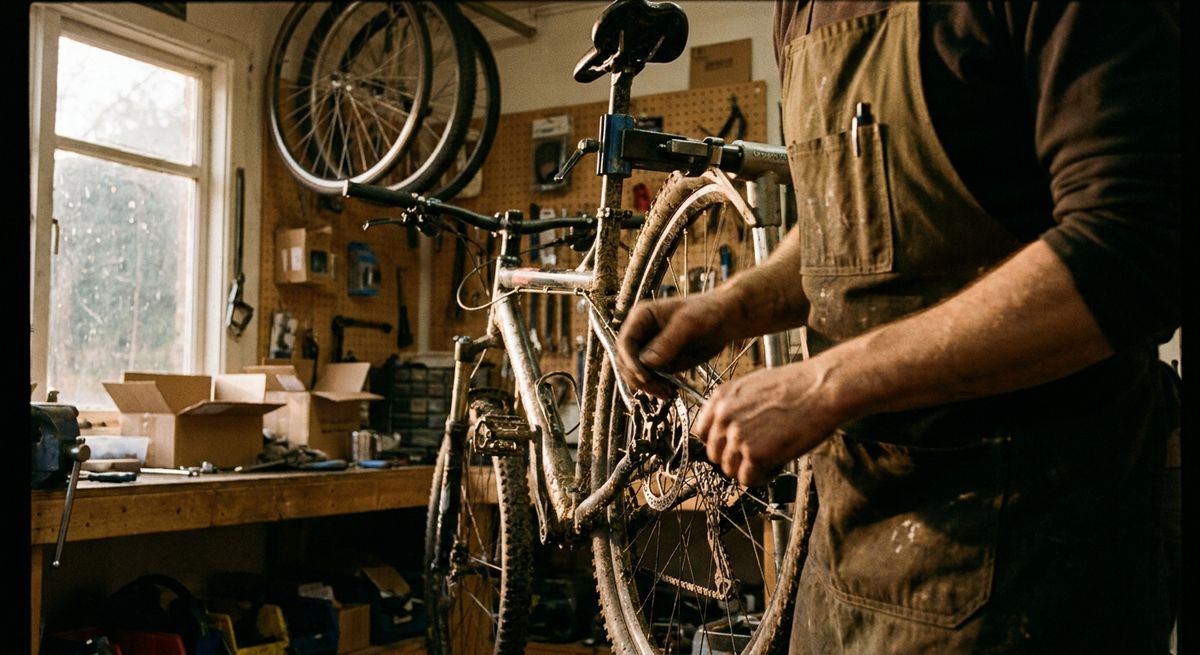
Another important trend is service revenue. Bike repairs, ski tuning, boot fitting, equipment rentals, guided clinics, workshops, and other services help specialty retailers differentiate themselves while generating revenue that is much harder for ecommerce competitors to capture.
Related reading: Payment Processing for Outdoor Retailers.
Cycling
Cycling combines retail, service, recreation, and transportation
Few outdoor categories span as many consumer use cases as cycling. People ride for transportation, fitness, competition, family recreation, tourism, mountain biking, gravel riding, commuting, and adventure travel. That broad appeal supports an ecosystem of manufacturers, retailers, repair shops, rental businesses, events, tour operators, parks, and destinations.
The bike shop remains central to that ecosystem. While complete bike sales can generate meaningful revenue, service and accessories often provide more consistent margins and deeper customer relationships. A rider who buys one bike may return dozens of times for repairs, tires, apparel, components, upgrades, fitting, and eventually another bike.
E-bikes have added another layer of growth. They are expanding the potential cycling population, increasing average transaction values, and creating new service requirements for retailers.
| Metric | Working estimate |
|---|---|
| North American cycling economy | US$20 to 30B+ annually |
| Americans who ride bicycles annually | ~50M+ |
| Canadian cyclists annually | ~10M+ |
| U.S. independent bike shops | ~6,000 to 7,000 |
| Typical new bike transaction | US$800 to 3,000+ |
| Premium mountain/road/e-bike transaction | US$3,000 to 10,000+ |
| E-bike category growth vs traditional bikes | Significantly faster |
E-bikes may be the largest structural change in specialty cycling in decades. They bring new customers into stores, expand the range people are willing to ride, and increase the importance of technical service. Gravel riding and bikepacking have also expanded beyond niche communities, creating demand for bikes, bags, apparel, navigation tools, and travel experiences.
At the same time, inventory management remains challenging. Bikes are high-value products with many sizes, colours, models, and specifications. The service department is therefore becoming increasingly important: it provides recurring revenue, strengthens customer relationships, and gives independent shops something online-only competitors cannot easily provide.
Related reading: Payment Processing for Bike Shops.
Campgrounds & RV Parks
Camping has evolved into a modern hospitality business
Camping remains one of the most accessible forms of outdoor recreation in North America. It appeals to families, retirees, younger travellers, RV owners, tent campers, van travellers, and consumers looking for more affordable ways to travel. The result is an unusually broad customer base that helps make camping one of the outdoor economy's most resilient categories.
But campground operations have become far more sophisticated. Many operators now manage dynamic reservations, seasonal sites, cabins, glamping accommodations, retail stores, rentals, activity bookings, food service, events, and recurring customer relationships.
Guests increasingly expect the same digital convenience they experience when booking a hotel: real-time availability, online payment, confirmation emails, mobile-friendly booking, clear cancellation policies, and simple check-in.
| Metric | Working estimate |
|---|---|
| North American camping households annually | ~60M+ |
| People camping annually in North America | ~90 to 100M+ |
| U.S. RV-owning households | ~11M |
| Private campgrounds & RV parks in U.S. | ~12,000 to 15,000 |
| Private campgrounds in Canada | ~4,000+ |
| North American camping/RV economic activity | US$50 to 80B+ |
| Typical campground booking window | Weeks to months in advance |
The shift toward digital reservations
Reservations are increasingly the centre of campground operations. Historically, many smaller campgrounds relied heavily on phone bookings, spreadsheets, and walk-in traffic. That model is disappearing as guests become accustomed to seeing live availability and booking instantly. Advance payments also improve cash flow and give operators greater visibility into future occupancy.
Seasonal guests introduce another important revenue model. Instead of processing one transaction, campgrounds may collect recurring monthly or seasonal payments from the same customer throughout the year. Camp stores, firewood, propane, ice, rentals, and activities then generate additional revenue after arrival.
Related reading: Payment Processing for Campgrounds & RV Parks.
Ski Resorts & Nordic Centres
Ski businesses compress enormous activity into a short season
Ski resorts operate under one of the most demanding business models in the outdoor economy. They invest heavily in infrastructure, staffing, equipment, snowmaking, maintenance, insurance, and facilities, then generate a large portion of their annual revenue during a relatively short operating season.
Weather adds another variable. A strong winter can produce exceptional demand, while poor snow conditions can quickly affect visits and revenue. That makes operational efficiency particularly important.
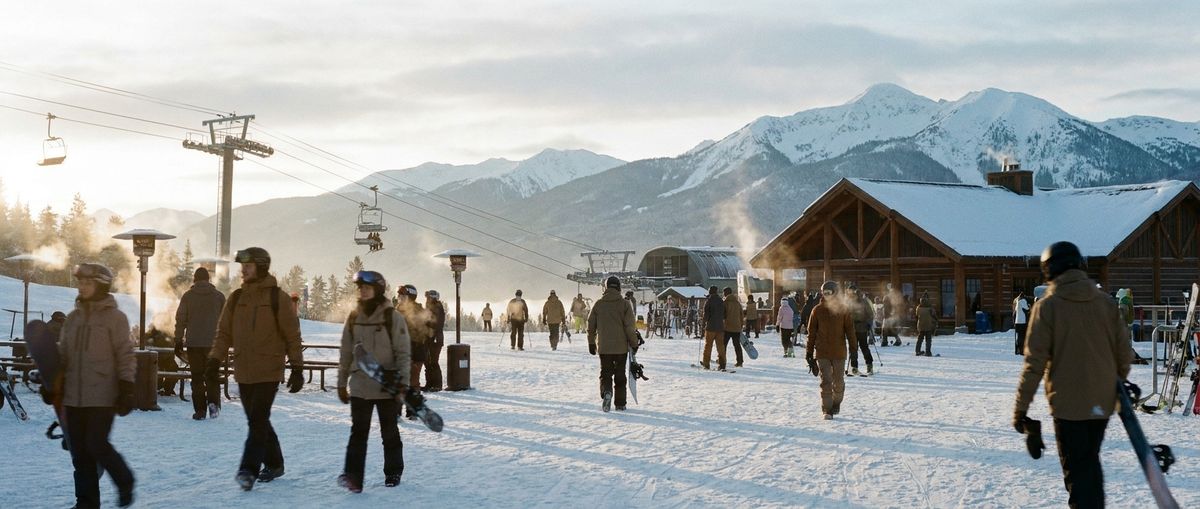
On a busy weekend, a single resort may simultaneously process lift tickets, season passes, equipment rentals, ski school bookings, retail sales, food and beverage transactions, lodging payments, parking, and events. The customer may experience all of these as one day on the mountain. Behind the scenes, however, they can involve several different systems.
| Metric | Working estimate |
|---|---|
| U.S. skier visits annually | ~60M |
| Canadian skier visits annually | ~18 to 20M |
| U.S. ski areas | ~475 |
| Canadian ski areas | ~250 to 300 |
| North American ski/snow industry | US$20 to 30B+ |
| Typical destination resort season | 100 to 150 days |
| Revenue concentration | Highly seasonal |
From winter resorts to four-season destinations
One of the most significant trends is diversification beyond skiing. Many resorts now operate mountain biking, hiking, sightseeing, zip lines, festivals, weddings, conferences, lodging, and food service throughout the warmer months. This reduces dependence on snowfall while increasing the value of existing infrastructure.
Season passes and advance ticket sales are also increasingly important. They generate cash before the season begins and create stronger recurring relationships with guests. Digital ticketing and RFID access have made the customer experience more seamless, while mobile and contactless payments reduce friction across restaurants, retail stores, rental departments, and events.
Related reading: Payment Processing for Ski Resorts & Nordic Centres.
Marinas & Recreational Boating
Boating creates a large ecosystem around every vessel
A boat purchase is only the beginning of a long stream of economic activity. Owners pay for slips, fuel, maintenance, storage, insurance, accessories, repairs, cleaning, winterization, launching, and often food and hospitality around the marina. That creates recurring revenue opportunities for businesses across the marine ecosystem.
Marinas themselves have evolved significantly. Many are now full-service destinations offering restaurants, retail, boat rentals, charters, clubs, fuel docks, storage, service departments, and events.
Because customers often maintain relationships with the same marina for years, recurring billing and customer account management are particularly important.
| Metric | Working estimate |
|---|---|
| U.S. recreational boating participants | ~90M |
| Canadian recreational boating participants | ~12M |
| U.S. recreational marine industry | US$55 to 65B+ annually |
| Registered recreational boats in U.S. | ~12M |
| Recreational boats in Canada | ~8M+ |
| U.S. marinas | ~10,000 to 12,000 |
| Canadian marinas | ~2,000 to 3,000 |
Unlike businesses that must reacquire customers constantly, marinas often have highly recurring relationships. Seasonal or annual slip agreements can create predictable revenue. Storage, maintenance, fuel, retail purchases, and service add to lifetime customer value. The challenge is managing all of these charges in a way that remains simple for both the marina and the customer.
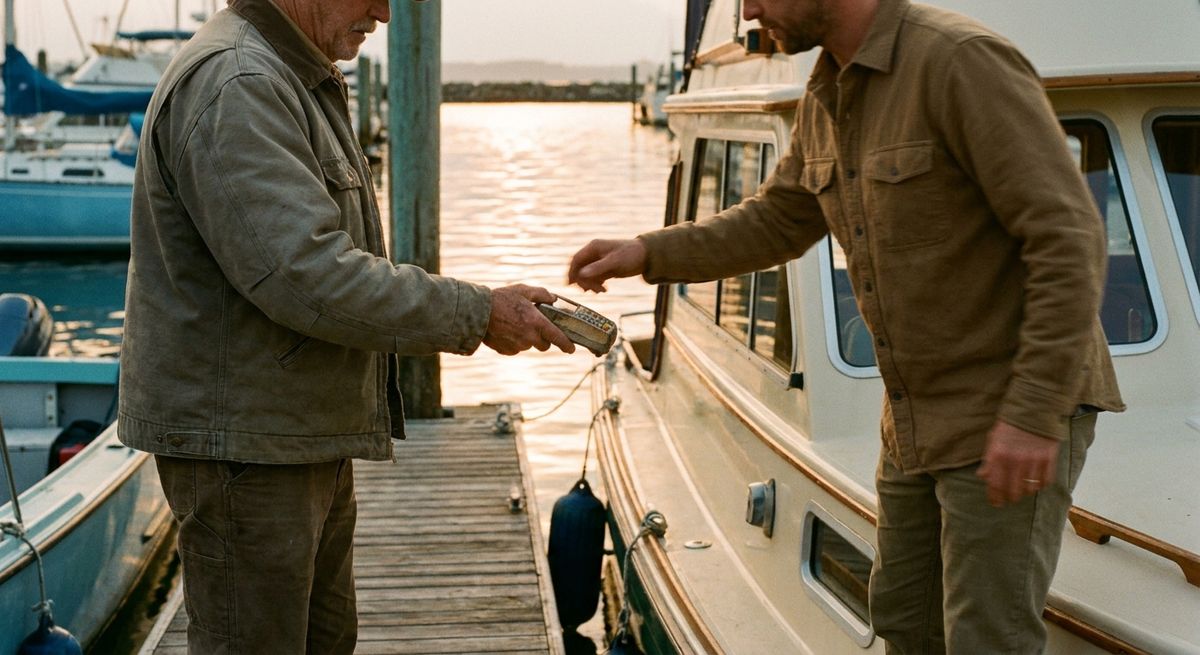
Mobile commerce is also particularly relevant. Transactions can happen at a fuel dock, boat launch, service yard, rental desk, restaurant, or marina store rather than at one centralized checkout.
Related reading: Payment Processing for Marinas.
Guides & Outfitters
The product is the experience
Guides and outfitters occupy a different corner of the outdoor economy because they typically sell experiences rather than physical products. A fly fishing guide may serve only two customers in a day. A rafting outfitter may process hundreds of guests across multiple trips. A mountaineering company may sell a multi-day expedition worth several thousand dollars.
Their business models vary considerably, but they share common operational challenges. Bookings occur in advance. Deposits matter. Weather can affect schedules. Capacity is limited. Staff and equipment must be coordinated. Waivers and customer information need to be managed before departure.
In many cases, the customer's first impression of the company happens online long before they meet their guide.
| Metric | Working estimate |
|---|---|
| North American adventure tourism market | US$50B+ |
| Guided fishing businesses | Thousands across North America |
| Rafting outfitters | Hundreds of major commercial operators |
| Guided trip average ticket | US$150 to several thousand dollars |
| Online booking penetration | Growing rapidly |
| Deposits commonly collected | 20 to 50% of booking value |
The traditional guide business once depended heavily on phone calls and referrals. That still matters, but customers increasingly expect to compare availability, select dates, book, pay deposits, sign waivers, and receive trip instructions online.
For small operators, automation can have an outsized effect. Every hour saved on administration is an hour that can be spent guiding, preparing equipment, or marketing the business. Gift cards and repeat bookings are also increasingly valuable, particularly for businesses with strong customer loyalty.
Related reading: Payment Processing for Guides & Outfitters.
Powersports
Powersports sits at the intersection of recreation, retail, and service
ATVs, side-by-sides, motorcycles, snowmobiles, personal watercraft, and dirt bikes create a significant recreational economy across North America. Dealerships may appear similar to traditional vehicle retailers, but their economics often depend heavily on what happens after the initial sale.
Parts, accessories, apparel, maintenance, repairs, storage, rentals, and upgrades can create long-lasting customer relationships. Seasonality matters as well. Snowmobile dealers can experience enormous winter concentration, while personal watercraft and off-road vehicles may see demand peak during warmer months.
High average transaction values make payments and financing particularly important.
| Metric | Working estimate |
|---|---|
| North American powersports market | US$35 to 50B+ |
| U.S. motorcycles in use | ~8 to 9M |
| U.S. ATV/UTV installed base | Millions of vehicles |
| Snowmobiles registered in North America | ~2M+ |
| Typical ATV/UTV purchase | US$8,000 to 30,000+ |
| Typical accessory/service spend | Meaningful recurring revenue |
The transaction that brings a customer into the dealership may be the vehicle purchase, but the relationship can last for years. Routine service, repairs, accessories, seasonal preparation, and equipment upgrades all create recurring opportunities.
Retail also plays an important role. Helmets, jackets, gloves, storage systems, electronics, performance parts, and branded apparel all add to overall customer value.
Equipment Rentals
Access is becoming as important as ownership
Consumers don't always need to own equipment to participate in outdoor activities. A family visiting a lake may rent paddleboards for a day. Travellers may rent skis rather than transporting their own. Tourists may rent mountain bikes at a destination. Campers may rent equipment before trying the activity for the first time.
This access-based model lowers the cost of entry and creates significant opportunities for outdoor businesses. But rental businesses are operationally different from retail. The same piece of equipment must be booked, collected, returned, inspected, cleaned, maintained, and rented again. Availability must remain accurate at all times.
Payments are therefore connected directly to inventory and scheduling.
For rental operators, a transaction is not a single checkout. It is a sequence that has to hold together across days or weeks.
- 01ReserveCustomer books online and sees live availability
- 02AuthorizeDeposit or card pre-authorization secures the equipment
- 03Pick upWaivers signed, gear fitted and checked out
- 04ReturnInspection, damages settled, balance captured
- 05Re-rentGear cleaned, serviced and back in availability
| Metric | Working estimate |
|---|---|
| North American outdoor equipment rental market | US$10B+ |
| Typical rental duration | Several hours to several days |
| Online booking share | Increasing rapidly |
| Security deposits/pre-authorizations | Common |
| Peak revenue concentration | Highly seasonal |
| Common categories | Bikes, skis, kayaks, SUPs, camping gear, powersports |
For rental businesses, utilization is one of the most important drivers of profitability. Equipment sitting unused generates no revenue, while overbooking creates unhappy customers. Online reservations help operators see future demand while customers gain confidence that equipment will actually be available when they arrive.
Deposits and card pre-authorizations also play a role because equipment often leaves the operator's physical control. The most efficient rental systems connect availability, reservations, customer records, waivers, deposits, payment, pickup, and return into one workflow.
Related reading: Payment Processing for Equipment Rental Businesses.
A Common Pattern Across the Outdoor Economy
Different industries, surprisingly similar challenges
A ski resort and a fly fishing guide may look completely different on the surface. One might process thousands of transactions in a weekend. The other may serve only a few guests per day.
Yet both experience seasonality. Both rely on advance bookings. Both need reliable technology during peak periods. Both want customers to spend less time dealing with administration and more time enjoying the activity they came for.
The same pattern appears across outdoor retail, campgrounds, marinas, rentals, and powersports. The outdoor economy is diverse, but many of its underlying business challenges are remarkably consistent.
| Challenge | Where it appears |
|---|---|
| Seasonal revenue | Nearly every outdoor industry |
| Online reservations | Campgrounds, resorts, guides, rentals |
| High-value transactions | Bikes, marine, powersports, resorts |
| Recurring billing | Marinas, campgrounds, memberships |
| Mobile commerce | Guides, marinas, events, rentals |
| Inventory management | Retail, bike shops, rentals |
| Deposits & holds | Rentals, guides, lodging |
| Ecommerce | Retail, resorts, specialty shops |
| Peak weekend demand | Almost universally |
The outdoor economy is diverse, but many of its underlying business challenges are remarkably consistent.
Consumer Behaviour
Outdoor consumers are spending differently, not just spending more
The growth of the outdoor economy is not simply a story about more people participating. It is also about how those people discover, evaluate, book, and pay for outdoor experiences.
Consumers increasingly expect the same convenience from a campground, marina, ski resort, or guide that they receive from major ecommerce and hospitality brands. They want real-time availability, mobile-friendly booking, digital receipts, flexible payment options, and a clear understanding of what they are purchasing before they arrive.
That shift has raised expectations across the industry. A business may deliver an exceptional experience on the trail, water, or mountain, but friction during booking or checkout can still shape the overall impression. For outdoor operators, this means customer experience starts earlier and extends further than it once did.
| Consumer behaviour | Working 2026 estimate |
|---|---|
| Researching purchases online before visiting a store | 70 to 80%+ |
| Ecommerce traffic from mobile devices | 60%+ |
| Consumers regularly using digital wallets | 40 to 50%+ |
| Preference for contactless payment where available | Majority of younger consumers |
| Customers expecting online booking for reservable experiences | Increasingly standard |
| Consumers influenced by online reviews before booking | 80%+ |
Outdoor consumers often spend on experiences rather than simply products. A weekend ski trip can involve lodging, lift tickets, rentals, lessons, food, retail, and transportation. A fishing trip might include guiding, accommodation, equipment, meals, and local travel. Camping increasingly combines accommodation with rentals, retail, activities, and hospitality.
That means the economic value of an outdoor participant extends far beyond the initial transaction. Businesses that make it easier for customers to add services, extend stays, upgrade equipment, or return for another experience can capture more of that value without necessarily acquiring more customers.
Ecommerce and Omnichannel Commerce
The distinction between online and offline is disappearing
For years, outdoor retailers treated ecommerce as a separate channel. That distinction makes less sense today. Customers may discover a product online, check whether it is available locally, visit a shop for expert advice, complete the purchase from their phone, and later return to the store for service.
The retailer sees multiple systems. The customer sees one business. This shift toward omnichannel commerce is particularly important for specialty outdoor retailers because physical stores still provide value that online-only businesses struggle to replicate: fitting, expertise, repairs, demos, rentals, and community.
The strongest retailers increasingly combine those advantages with the convenience of ecommerce.
| Metric | Working estimate |
|---|---|
| Ecommerce share of specialty retail sales | ~20 to 30% |
| Mobile share of ecommerce traffic | ~60 to 70% |
| Consumers using Buy Online, Pick Up In Store | ~30 to 40%+ |
| Retailers operating both physical and online channels | Increasing majority |
| Online research before in-store purchase | 70%+ |
When ecommerce, inventory, POS, and payments are disconnected, businesses create unnecessary work. Staff may need to manually update inventory. Customers can purchase products online that are no longer available. Returns become more complicated. Reporting is fragmented.
Integrated systems reduce that friction. For outdoor retailers, this is particularly valuable because inventory can be expensive and highly specialized. A mountain bike, ski boot, or technical jacket may exist in many sizes, colours, and configurations. Accurate inventory matters.
Mobile and Contactless Payments
Payments are moving away from the counter
Outdoor businesses frequently operate in places where a traditional checkout counter makes little sense. A guide may meet customers at a trailhead. A marina employee may collect payment at a fuel dock. A campground may check guests in from a golf cart. An outdoor event may set up temporary merchandise stands miles from a permanent store.
Mobile payment technology has become particularly relevant for these businesses because it allows commerce to happen where the customer already is. At the same time, consumers have become more comfortable tapping cards, phones, and watches rather than inserting a physical card.
| Metric | Working estimate |
|---|---|
| Contactless share of eligible in-person transactions | 50%+ and growing |
| Consumers using Apple Pay / Google Pay | Hundreds of millions across North America |
| Businesses accepting contactless payments | Large majority of modern merchants |
| Mobile POS adoption | Rapidly increasing among service businesses |
| Smartphone-based Tap to Pay adoption | Early but accelerating |
Contactless payments are not simply a technology upgrade. They reduce checkout time, and that matters most during peak demand, which is exactly when many outdoor businesses operate under the greatest pressure.
A ski resort at noon, a campground on Friday evening, or a bike shop on a spring Saturday can process a large number of customers within a short period. Removing even a few seconds from each transaction can meaningfully improve throughput.
Reservations, Deposits, and Recurring Revenue
The transaction increasingly begins before the customer arrives
One of the most important changes across the outdoor economy is the growth of advance booking. Consumers increasingly reserve campsites, rental equipment, guided trips, lessons, charters, tee times, and resort experiences before leaving home.
This gives businesses greater visibility into future demand while giving customers confidence that capacity will be available. Deposits also help protect operators whose inventory is time-sensitive.
A guide cannot resell yesterday's empty trip. A campground cannot recover an unused campsite after the night has passed. A rental operator may turn away another customer because equipment has been reserved. For these businesses, deposits are not simply a payment feature. They are a form of inventory protection.
| Business type | Common payment model |
|---|---|
| Campgrounds | Deposit + final balance |
| Guides & outfitters | 20 to 50% deposit + final payment |
| Ski resorts | Advance ticket sales + season passes |
| Marinas | Seasonal or annual recurring billing |
| Equipment rentals | Reservation + deposit/pre-authorization |
| Golf clubs | Memberships + recurring dues |
| Outdoor events | Advance registration |
| Lodges | Deposit + scheduled balance |
Outdoor businesses have historically been highly transactional. That is changing. Season passes, memberships, annual moorage, seasonal campsites, service programs, subscription boxes, and loyalty programs create ongoing relationships rather than one-time purchases. Recurring revenue can improve cash-flow visibility and customer retention while reducing the need to reacquire the same customer each season.
Technology Is Becoming Part of the Outdoor Business Model
The best technology is often invisible to the customer
Outdoor companies do not need technology for technology's sake. Their customers are there to ski, camp, fish, ride, paddle, golf, or explore. The purpose of technology is to remove the friction surrounding those experiences.
A well-designed reservation system means a guest arrives knowing their campsite is ready. An integrated rental platform means skis are prepared before a family reaches the counter. A modern POS means staff can help a customer rather than troubleshoot software. Technology works best when customers barely notice it.
For operators, however, the impact can be significant. Connected systems can improve reporting, reduce manual administration, manage capacity, increase inventory accuracy, and provide better visibility into customer behaviour.
| Technology | Adoption trend | Business value |
|---|---|---|
| Cloud POS | ↑↑ | Reporting, inventory, remote management |
| Ecommerce | ↑ | Revenue, convenience, broader reach |
| Online booking | ↑↑ | Reservations, deposits, forecasting |
| Mobile POS | ↑↑ | Field sales and flexible checkout |
| CRM/loyalty | ↑ | Customer retention |
| Recurring billing | ↑ | Predictable revenue |
| Digital waivers | ↑↑ | Faster check-in |
| AI tools | ↑↑ | Marketing, service, administration |
| Integrated payments | ↑↑ | Efficiency and reporting |
Related reading: How to Choose the Right POS System for Your Outdoor Business.
Artificial Intelligence and Automation
AI will probably matter more behind the scenes than at the trailhead
Artificial intelligence is becoming part of nearly every software category, and outdoor businesses are no exception. The immediate opportunity is not replacing human interaction. Quite the opposite.
Outdoor businesses often differentiate themselves through knowledgeable staff, local expertise, hospitality, and authentic customer relationships. Those are difficult to automate and often central to why consumers choose specialty operators.
AI is more likely to create value by reducing repetitive administrative work. Businesses can already use AI to draft customer communications, analyze reviews, forecast inventory, answer common questions, create marketing content, summarize reports, and help staff manage routine tasks. That can be particularly valuable for small outdoor businesses where owners wear several hats.
| Application | Potential impact |
|---|---|
| Customer service | Faster answers to common questions |
| Marketing | Content creation and campaign support |
| Inventory forecasting | Better purchasing decisions |
| Booking support | Automated responses and recommendations |
| Review analysis | Identify recurring customer issues |
| Reporting | Faster business insights |
| Staff scheduling | Improved seasonal planning |
| Dynamic pricing | Better capacity utilization |
The most successful adoption will likely happen when AI operates quietly behind the scenes while human employees continue delivering the customer experience.
Seasonality Remains the Defining Challenge
Outdoor businesses often have a year of revenue compressed into a few months
Few industries experience seasonality as dramatically as outdoor recreation. A ski resort may depend heavily on December through March. A campground may generate most of its revenue between May and September. A marina's busiest months may align almost exactly with summer weather. Bike shops experience dramatic spring demand, while snowmobile dealers face the opposite cycle.
These patterns affect staffing, cash flow, inventory, marketing, and technology requirements. They also make reliability unusually important.
A retail store that loses payments for two hours on an average Tuesday may experience inconvenience. A ski resort experiencing the same outage during a holiday weekend could lose a meaningful amount of annual revenue.
| Industry | Peak period |
|---|---|
| Ski resorts | Dec to Mar |
| Campgrounds | May to Sep |
| Marinas | May to Sep |
| Bike shops | Mar to Sep |
| Fishing guides | Species/location dependent |
| Golf courses | Spring to Fall in northern climates |
| Powersports | Product dependent |
| Outdoor retail | Spring/Summer + holiday |
| Equipment rentals | Highly activity dependent |
The Rise of Year-Round Revenue
Operators are increasingly trying to flatten the seasonal curve
Seasonality may never disappear from the outdoor economy, but businesses are becoming more creative about extending their operating year.
Ski resorts have become mountain bike destinations. Campgrounds offer cabins, glamping, events, and shoulder-season packages. Bike shops add indoor training, service, and winter sports products. Marinas add storage and maintenance. Golf courses host weddings, dining, and events. Guides diversify into different activities as seasons change.
The underlying objective is simple: use existing assets, customer relationships, and infrastructure more effectively throughout the year.
| Core business | Additional revenue |
|---|---|
| Ski resort | Mountain biking, weddings, festivals |
| Campground | Cabins, glamping, events |
| Marina | Storage, repairs, restaurants |
| Bike shop | Service, rentals, clinics |
| Guide company | Multi-season activities |
| Golf course | Dining, events, memberships |
| Outdoor retailer | Ecommerce, repairs, rentals |
The businesses that successfully diversify may improve both profitability and employee retention by creating longer operating seasons.
What Outdoor Consumers Will Expect Next
Convenience will keep rising, even in industries built around escaping technology
There is an interesting contradiction at the centre of the outdoor economy. People often go outside specifically to disconnect. Yet they increasingly expect highly connected technology before and after the experience.
They want to book instantly. They want their digital wallet to work. They want a text telling them their rental is ready. They want a digital receipt. They want real-time availability. And they want all of this without feeling like technology is intruding on the experience itself.
That tension will shape the next generation of outdoor commerce. The winners will not necessarily be the businesses with the most technology. They will be the ones that use technology to make the experience feel simpler.
The winners will not be the businesses with the most technology. They will be the ones that use technology to make the experience feel simpler.
2026 Outdoor Economy Outlook
The long-term fundamentals remain strong
The outdoor economy will continue to face the same pressures affecting other consumer industries: inflation, changing discretionary spending, labour shortages, higher financing costs, and uncertainty around consumer confidence.
But its underlying structural trends remain attractive. North America's population continues to participate heavily in outdoor recreation. Consumers continue prioritizing experiences. Outdoor communities remain important destinations for tourism and migration. Technology is making specialized businesses more efficient.
And many outdoor activities create lifelong customer relationships rather than one-time consumption. Taken together, those trends suggest an industry that should continue evolving and expanding over the long term.
| Trend | Outlook |
|---|---|
| Outdoor participation | Positive |
| Experience spending | Positive |
| Ecommerce | Continued growth |
| Contactless payments | Continued growth |
| Mobile POS | Strong growth |
| Online reservations | Strong growth |
| Membership models | Growing |
| AI adoption | Accelerating |
| Business consolidation | Gradual increase |
| Year-round diversification | Increasing |
The Opportunity Ahead
The outdoor economy is becoming more connected
The outdoor economy is built around experiences that are fundamentally physical: trails, mountains, water, snow, equipment, and communities. But the businesses that make those experiences possible are increasingly powered by digital infrastructure.
The opportunity is not to turn outdoor businesses into technology companies. It is to give them better tools so they can remain focused on what makes them valuable in the first place: better reservations, better inventory, better customer relationships, better payments, less administration, and more time serving customers.
As the outdoor economy grows, the companies that understand both sides of that equation, the physical experience and the digital infrastructure behind it, will be well positioned to help shape its future.
Why Fizel Is Focused on the Outdoor Economy
We believe specialization matters
Most payment and commerce companies are built to serve every kind of business. Fizel is taking a different approach.
Outdoor businesses operate differently. They deal with seasonality, reservations, deposits, memberships, rentals, high-value equipment, mobile transactions, unpredictable demand, and some of the busiest weekends imaginable. Understanding those realities leads to better technology decisions and better service.
Fizel exists to build modern commerce solutions around the way outdoor businesses actually work. Payments are the foundation today. The larger opportunity is helping the outdoor economy operate more efficiently, grow more sustainably, and continue creating the experiences that get people outside.
Continue Reading
Pricing and technology decisions are where most of these trends become concrete. These guides go deeper on the economics and systems behind outdoor commerce.
Start with Understanding Credit Card Processing Fees, then read Understanding Interchange Pricing and How to Choose the Right Payment Processor for Your Outdoor Business.