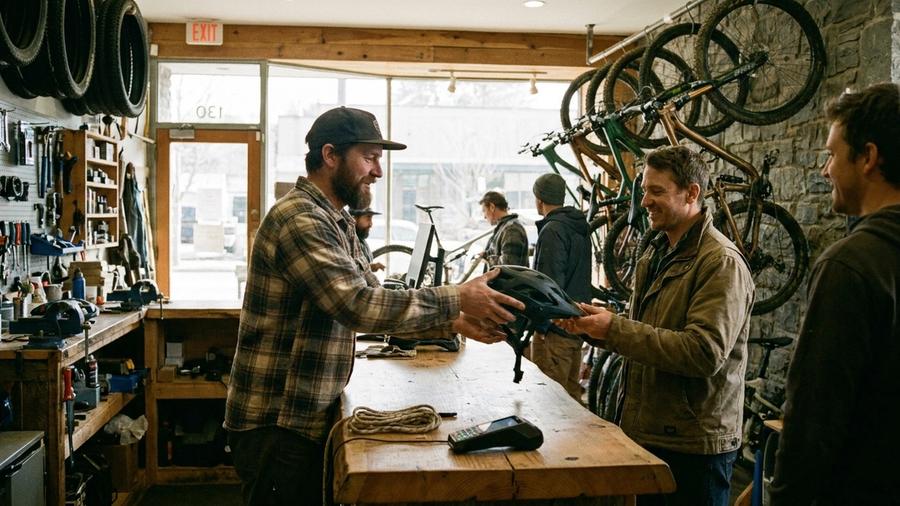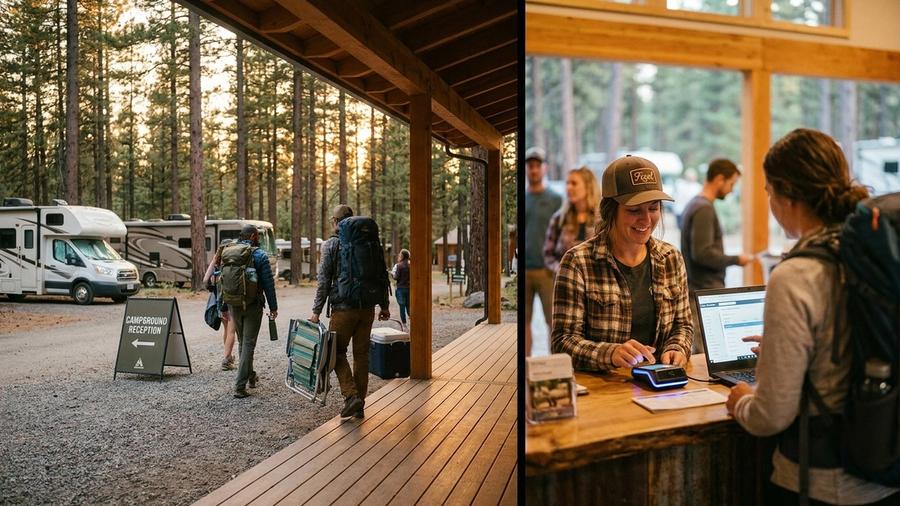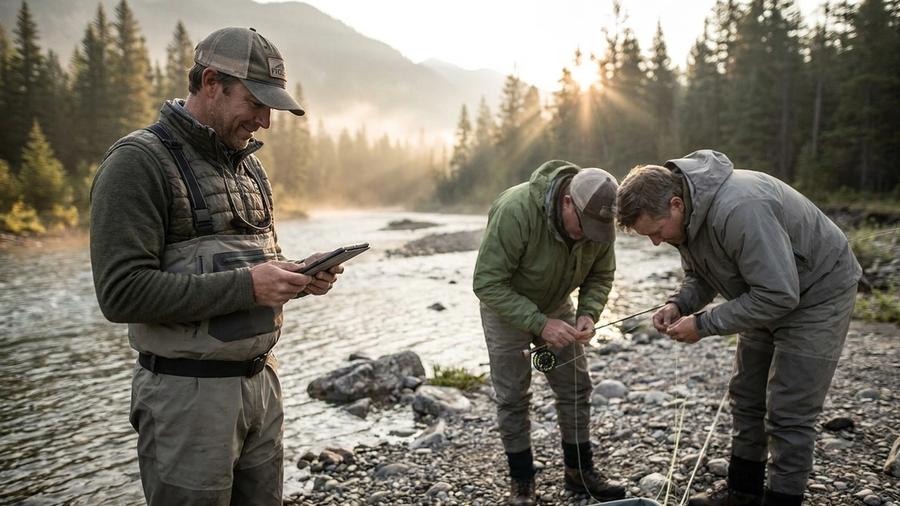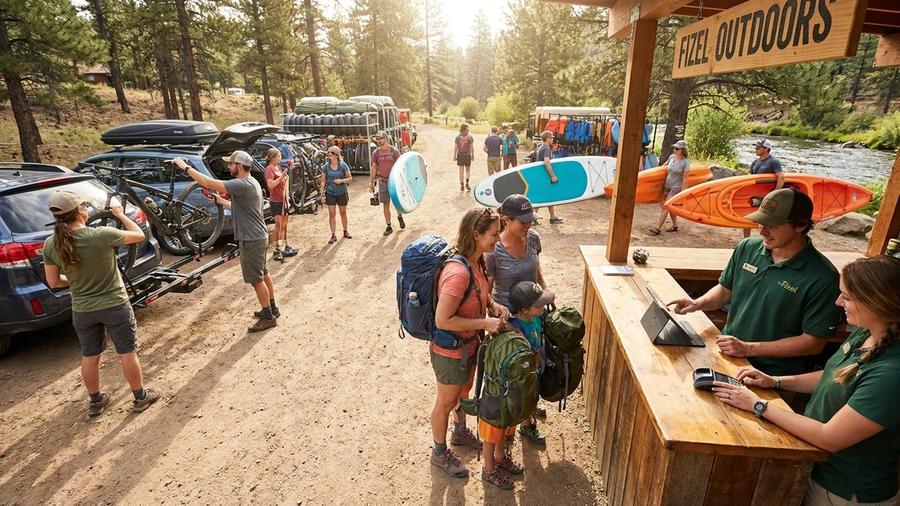
There has never been a larger outdoor recreation audience in the United States. A record 183.2 million Americans participated in outdoor recreation in 2025, according to Outdoor Industry Association research: approximately 59% of the U.S. population age six and older, and nearly 30 million more participants than in 2019. On its own, that is an impressive growth story and one the industry has spent several years celebrating.
Underneath the headline number, however, is a more consequential change. The outdoor consumer is becoming broader. Outdoor recreation now includes millions of people who would never describe themselves as outdoor enthusiasts. They hike occasionally, camp a few weekends each summer, ride bikes recreationally, visit national parks, paddle on vacation, run local trails or rent equipment when they travel. They buy differently, plan differently and think about the outdoors differently than the customer the industry was built around.
At the same time, Outdoor Industry Association reports that while participation has reached a record level, frequency has been declining. Americans are getting outside, but many are not doing so as consistently as they once did. That distinction matters more than almost any other number in this report, because it reframes the industry's central commercial challenge.
The outdoor industry's next opportunity is not primarily convincing someone to go outside for the first time. It is giving millions of existing participants more reasons to come back.
The outdoor consumer at a glance
The scale of today's outdoor audience extends far beyond equipment retail. People interact with the outdoor economy through travel, accommodation, camping, recreation, guided experiences, rentals, restaurants, parks and thousands of local businesses that exist because visitors show up. Measuring the consumer therefore requires looking at participation, visitation, travel and spending together rather than at gear sales alone.
The individual measures are striking. National parks alone recorded more than 323 million recreation visits in 2025, including more than 13 million overnight stays, with 26 National Park Service properties setting new visitation records. Camping attracted more than 52 million North American households and generated an estimated $66 billion economic footprint. U.S. domestic leisure travel spending is forecast to reach approximately $909 billion in 2026, and the global tours, activities and attractions market reached an estimated $271 billion in 2025.
Headline measures of the North American outdoor consumer, drawn from participation research, federal visitation records, camping research and travel forecasting.
- 183.2MU.S. outdoor participants in 2025Outdoor Industry Association: a record high
- 59%Share of Americans age 6+ participatingOutdoor recreation is now a mainstream activity
- ~30MParticipants added since 2019Most of the growth is newer, more casual participants
- 323M+National Park Service recreation visits, 2025Roughly 1.39 billion visitor hours
- 13M+NPS overnight stays, 2025Camping, lodges and backcountry combined
- 26Park properties setting visitation recordsDemand is spread well beyond the marquee parks
- 52M+North American households that campedAbove pre-pandemic participation levels
- ~$66BCamping economic footprintSites, gear, travel and on-site spending
- $909B2026 U.S. domestic leisure travel spending forecastU.S. Travel Association
- $271BGlobal tours and activities market, 2025Arival and Phocuswright
Figures are approximate and drawn from the most recent reporting period available for each source. Geography is noted in the accompanying text.
Taken together, these numbers describe something larger than an outdoor products market. They describe an outdoor lifestyle economy in which equipment is only one line item, and in which the customer's spending is spread across retailers, campgrounds, guides, rental operators, resorts, restaurants and destinations. We look at the supply side of that economy in The Outdoor Economy: Market Size, Statistics & Trends (2026). This report looks at the people.
1. More people are getting outside than ever
The most important consumer trend is also the simplest: outdoor recreation keeps attracting people. The U.S. participant base reached 183.2 million in 2025, 59% of Americans age six and older, with nearly 30 million participants added since 2019. Very few consumer categories added an audience of that size in six years, and fewer still did it while remaining largely dependent on independent local businesses to deliver the product.
That growth broadens the potential market for almost every business connected to recreation. More hikers create demand for footwear, apparel, trails, destinations and lodging. More cyclists create work for bike shops, rentals, guides and destination towns. More campers support campgrounds, RV parks, outdoor hospitality operations and the retailers within driving distance of them. The addressable market for a well-run outdoor business is larger in 2026 than it was in 2019 by a wide margin.
But an expanding participant base does not mean every new participant behaves like the traditional enthusiast, and this is where most planning assumptions break. The person who joined the outdoors in the last five years often arrived without gear, without a local shop relationship and without the habits that make an enthusiast profitable. Serving them well requires different merchandising, different communication and different entry points, which leads directly to the more important story in the data.
2. Participation is growing faster than frequency
Outdoor Industry Association research describes a widening frequency gap. The number of participants continues to rise, while the average number of outings per participant has declined relative to earlier periods. In practical terms, the industry gained an enormous number of people who go outside occasionally rather than a moderate number of people who go outside constantly.
This changes the industry's growth challenge fundamentally. For two decades, expanding outdoor recreation largely meant attracting new people: an acquisition problem solved with marketing, access programs and entry-level products. The next phase is a retention and frequency problem, which is solved with something quite different: convenience, community, programming and follow-up.
A person who hikes twice a year is already an outdoor participant. The commercial opportunity is helping that person hike ten times. A family that camps once each summer does not need to be introduced to camping; it needs a reason and an easy path to book a second trip. Every additional outing creates another purchase occasion, another service visit and another chance for a business to become part of the person's routine rather than their vacation.
| Participation stage | What the customer needs | Business opportunity |
|---|---|---|
| First-time participant | Low-risk entry and clear guidance | Rentals, beginner packages, intro clinics |
| Casual participant | A reason and an easy way to go again | Programming, events, simple booking |
| Regular participant | Reliability and local knowledge | Service plans, memberships, loyalty |
| Enthusiast | Depth of expertise and selection | Specialty product, fitting, custom work |
| Loyal customer | Recognition and community | Referrals, trips, advocacy |
3. The casual consumer is now economically decisive
The traditional image of the outdoor consumer has always been technical: the climber, the backcountry skier, the mountain biker, the fly angler, the expedition traveller. That customer remains important, particularly to specialty businesses, and they still drive product innovation and credibility. But they no longer describe the market's economic centre.
Outdoor Industry Association consumer research reports that casual and active-lifestyle participants account for more than 90% of outdoor market spending. That figure is worth sitting with, because it inverts how many outdoor businesses allocate attention. The most technical customers generate the most conversation in the industry and a small minority of the revenue.
The implication is not that businesses should abandon the enthusiast. Technical credibility is precisely what makes a specialty retailer trustworthy to a beginner. The implication is that the store, the website, the rental counter and the staff conversation all need to work for someone who does not know the vocabulary, and that the addressable market is far larger than the enthusiast segment ever was.
| Enthusiast | Casual / active lifestyle | What it changes in the business |
|---|---|---|
| Performance-driven | Experience-driven | Merchandise around outcomes, not specifications |
| Deep technical knowledge | Needs guidance | Staff training and simplified choice architecture |
| Frequent participation | Occasional participation | Retention programming matters more than volume discounts |
| Owns equipment | Mixes ownership and rental | Rental fleet becomes a sales channel |
| Destination-specific | Convenient and local | Local trails, local events, local relevance |
| Buys technical products | Buys versatile products | Broader assortment at accessible price points |
| Researches independently | Wants a recommendation | Expertise is the product |
4. Hiking shows how mainstream the outdoors has become
Some outdoor activities require expensive equipment, technical knowledge or access to specific terrain. Others require little more than shoes and somewhere to walk. The gap between those two categories explains a great deal about where growth is coming from, and why hiking has become the industry's most important gateway activity.
Outdoor Industry Association research puts hiking participation at approximately 63.4 million Americans, making it one of the broadest forms of outdoor recreation in the country. Crucially, hiking has almost no barrier to a first attempt and a very long runway of subsequent spending. The first hike leads to footwear. Footwear leads to apparel. Apparel leads to a daypack, then camping, then a national park trip, then more ambitious travel.
The commercial lesson is not to push consumers up a ladder they did not ask to climb. It is to make the next step obvious and easy at the moment they are ready, which usually happens in a store, on a trail or in a conversation, not in an advertisement.
| Entry activity | Common next step | Where the business fits |
|---|---|---|
| Walking outdoors | Hiking | Footwear fitting and local trail advice |
| Hiking | Camping | Gear packages, rentals, campground referrals |
| Recreational cycling | Trail and gravel riding | Bike upgrade, service plan, group rides |
| Casual paddling | Kayaking and touring | Rental to purchase, skills clinics |
| Resort skiing | More frequent skiing | Season pass, boot fitting, tuning |
| Family camping | Outdoor travel | Multi-night bookings, activity add-ons |
| Nature viewing | Destination travel | Guided experiences and local expertise |
5. The outdoor consumer is becoming more diverse
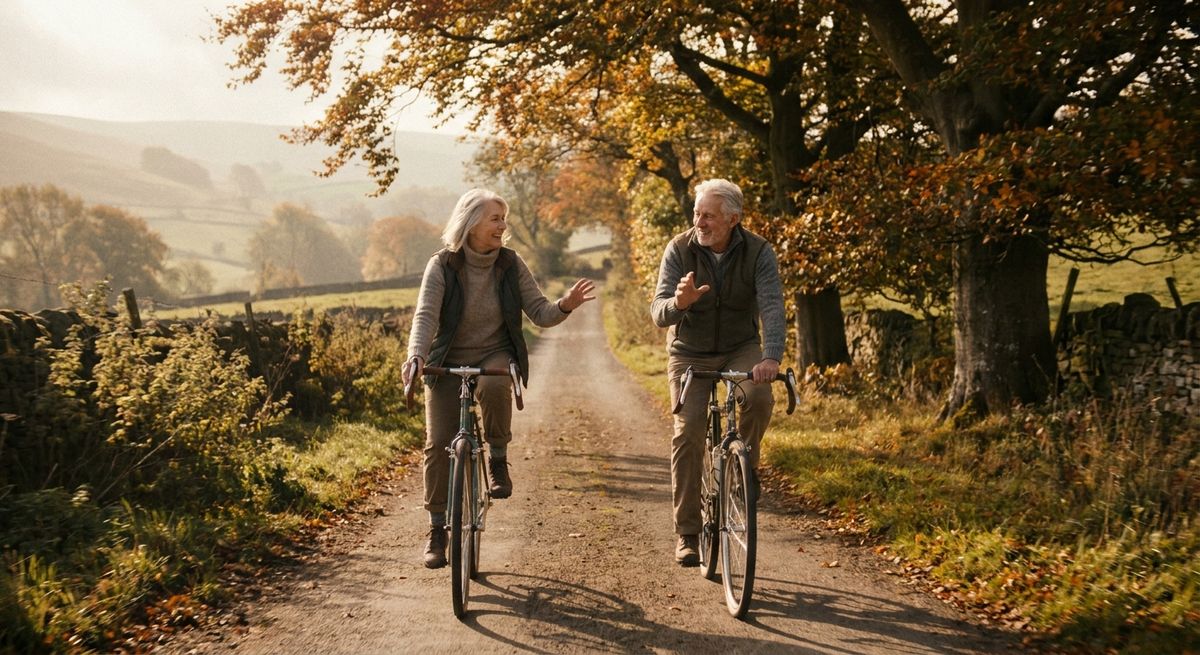
Outdoor recreation's growth is not concentrated in a single demographic. Outdoor Industry Association's 2026 participation research identifies particularly strong gains among children, adults age 65 and older, and Hispanic participants. Growth arriving simultaneously at both ends of the age range is unusual, and it has direct operational consequences for businesses used to serving a narrower customer.
An outdoor retailer may now need products for grandparents and grandchildren in the same transaction. A campground may serve three generations on one site with very different expectations of comfort. A guide may need trip options across several ability levels rather than one standard itinerary. A destination may be communicating with customers whose outdoor knowledge ranges from expert to none at all.
Older participants deserve particular attention, because they combine growing numbers with discretionary time and, frequently, discretionary income. They participate midweek, precisely when outdoor businesses have spare capacity, and they tend to value comfort, service and reliability over marginal weight savings. Very few outdoor businesses market to them deliberately.
| Growing audience | What they need | Practical business response |
|---|---|---|
| Children | Right-sized, affordable equipment | Trade-in and rental programs for outgrown gear |
| Families | Convenience and predictability | Packages, group bookings, family sites |
| Adults 65+ | Comfort, service and midweek access | Midweek programming and unhurried service |
| New participants | Education without condescension | Clinics, beginner nights, plain-language advice |
| Casual participants | Lower barriers to a first attempt | Rentals, demos, all-inclusive experiences |
| Diverse communities | Inclusive communication and staff | Imagery, language and partnerships that reflect the customer |
| Travellers | Equipment and local knowledge on arrival | Destination rentals and guided options |
6. Consumers are still spending, but they are more selective
Strong participation does not automatically translate into indiscriminate spending, and the retail data makes that unusually clear. Outdoor Industry Association's Q1 2026 retail research shows outdoor retail dollar sales down less than 1% year over year, a figure that looks close to flat until it is read alongside the unit data.
Unit sales fell 7.3% over the same period, while average retail prices rose 6.7% year over year, roughly twice the broader inflation rate cited in the research. In other words, revenue held up because prices increased, not because consumers bought more. Households are buying fewer items at higher prices and thinking harder about each purchase.
For an operator, the distinction between dollar stability and unit decline is not academic. Fewer units means fewer transactions, fewer store visits and fewer opportunities to build a relationship, even when the sales line looks acceptable. It also means inventory decisions carry more risk: an over-ordered season is harder to clear when the customer is already price-sensitive.
| Metric | Year-over-year change | What it signals |
|---|---|---|
| Outdoor retail dollar sales | Down less than 1% | Revenue broadly held |
| Unit sales | -7.3% | Fewer items and fewer transactions |
| Average retail price | +6.7% | Price is carrying the revenue line |
| Broader inflation comparison | ~3.3% | Outdoor prices rising roughly twice as fast |
| Service spending | +28.5% | Consumers maintaining rather than replacing |
7. Repair is having a moment
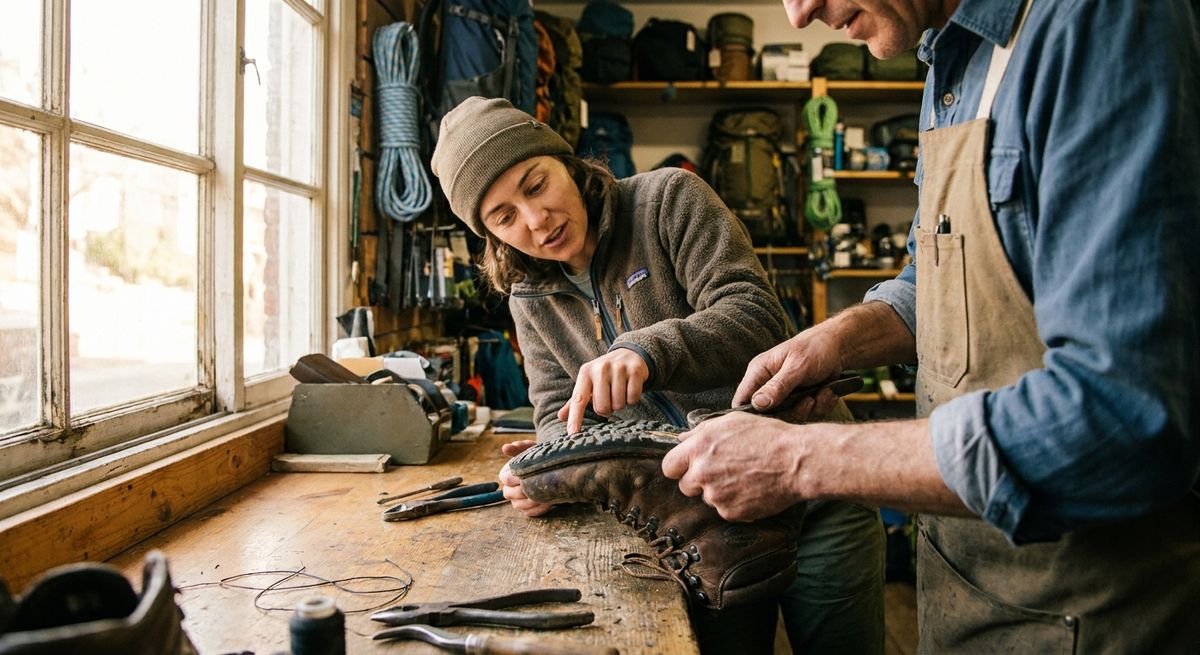
The most interesting figure in the Q1 2026 retail research is not about products at all. Service spending increased 28.5% year over year, by a wide margin the strongest growth in the data set, and a direct consequence of the price pressure described above. When a replacement costs 7% more than it did last year, a repair becomes a rational purchase rather than a reluctant one.
For specialty outdoor businesses this is genuinely good news, because service is the part of the category that ecommerce cannot take. A bike needs tuning before the weekend. Skis need waxing in the town where they will be skied. Boots need fitting on the actual foot. A repair also brings the customer through the door at a moment when they are already thinking about the activity, which makes it one of the highest-intent interactions in outdoor retail.
The operational catch is that service is capacity-constrained and labour-intensive. Growth of nearly 30% in service demand puts pressure on workshop scheduling, technician hiring and turnaround times, typically at exactly the moment retail is also busiest. Businesses that treat service as an afterthought to product sales will feel that pressure as customer disappointment rather than as revenue.
| Consumer pressure | Likely behaviour | Where the revenue goes |
|---|---|---|
| Higher bike prices | Repair the existing bike | Workshop labour and parts |
| Higher ski and snowboard prices | Tune existing equipment | Seasonal service packages |
| Expensive technical equipment | Maintain rather than replace | Recurring service relationships |
| General budget pressure | Buy used | Trade-in and consignment margin |
| Occasional participation | Rent instead of buy | Rental utilisation revenue |
| Uncertain commitment | Demo before purchase | Demo fees converted to sales |
8. Outdoor products are leaving the trail
The boundary between outdoor equipment and everyday lifestyle product continues to dissolve. Outdoor footwear is worn in cities. Technical shells commute to offices. Trail-running aesthetics shape mainstream footwear design. Consumers increasingly want products that justify their price by working in more than one part of life.
Outdoor Industry Association's 2026 retail research notes that running and running-inspired footwear performed strongly, while lifestyle-oriented apparel showed pockets of growth even as consumers became more selective overall. That pattern is consistent with a value-conscious buyer: versatility is a form of value, and a jacket worn three hundred days a year is easier to justify than one worn twelve.
For retailers, this widens the competitive set, outdoor brands now compete with general footwear and apparel retail, but it also widens the opportunity. A customer who buys a versatile shell for commuting has entered the category, and the specialty store is the one place that can convert that purchase into a trail conversation.
| Traditional purchase | Broader consumer appeal | Merchandising implication |
|---|---|---|
| Trail shoe | Trail and everyday wear | Colourways and comfort matter alongside grip |
| Technical shell | Outdoor and commuting | Fit and styling shown in both contexts |
| Hiking pant | Travel and outdoor | Positioned as travel-ready |
| Fleece | Lifestyle and recreation | High-frequency repeat purchase |
| Daypack | Hiking and daily carry | Laptop compatibility as a selling point |
| Outdoor sandal | Recreation and casual wear | Long season, broad audience |
9. Experiences are competing with products for outdoor spending
The outdoor economy has traditionally been described through equipment, because equipment is easy to count. But a large and growing share of outdoor spending never passes through a product at all. A consumer may spend $150 on hiking footwear and several thousand dollars travelling somewhere to use it: lodging, guides, lift tickets, campsites, rentals, food, fuel and tours.
The global tours, activities and attractions market reached an estimated $271 billion in 2025, according to Arival and Phocuswright research, making bookable experiences a major component of the recreation economy in their own right. In the U.S. national accounts, the pattern repeats: arts, entertainment, recreation, accommodation and food services contribute more outdoor recreation value added than retail trade does.
Consumers do not experience these as separate categories. To them it is all part of getting outside, and the budget is shared. A retailer competing for a customer's discretionary dollars in March is competing with the campsite that customer is thinking about booking for July, which is an argument for retailers to participate in the experience side of the market rather than watch the money leave.
| Product spending | Associated experience spending | Who captures it today |
|---|---|---|
| Skis and snowboards | Lift tickets, lessons, lodging | Resorts and Nordic centres |
| Fishing equipment | Guided trips and licences | Guides and outfitters |
| Hiking boots | National park travel and lodging | Destinations and hospitality |
| Bicycles | Destination rides and events | Tour operators and bike towns |
| Camping equipment | Campsites and cabins | Campgrounds and RV parks |
| Paddleboards and kayaks | Rentals, tours and launch access | Rental operators and marinas |
| Outdoor apparel | Adventure travel | Travel operators |
10. Outdoor travel remains a priority, but the shape is changing
Travel spending has proven remarkably resilient. The U.S. Travel Association forecasts approximately $909 billion in domestic leisure travel spending in 2026, up around 0.9% in real terms after 2.1% growth in 2025. Consumers are protecting travel in their budgets even while trimming elsewhere, which is a meaningful signal about how they value time away.
What is changing is the composition. Higher travel costs are pushing consumers toward shorter trips, lower-cost trips, regional destinations and drive markets. U.S. Travel research also notes that spending growth is increasingly driven by higher-income households, meaning the aggregate number partly conceals softness among more price-sensitive travellers.
This composition shift favours the outdoor economy more than almost any other travel category. Outdoor recreation is inherently well suited to regional, drive-to travel. A mountain town does not require a flight. A campground becomes a two-night trip with a full tank of gas. A gravel-riding destination becomes a three-day weekend. Operators within a few hours' drive of a metropolitan area are positioned unusually well for the way Americans are choosing to travel in 2026.
| Travel signal | Direction in 2026 | Implication for outdoor operators |
|---|---|---|
| Domestic leisure spending | Growing to ~$909B | Demand base remains intact |
| Real growth rate | +0.9% after +2.1% in 2025 | Growth is slowing, not reversing |
| Regional destinations | Increasing appeal | Market to drive-time radius, not nationally |
| Drive markets | Increasing appeal | Fuel-cost framing in messaging works |
| Trip duration | Shorter trips | Two-night packages and midweek offers |
| Value sensitivity | Increasing | Bundle inclusions rather than discount rates |
| Higher-income contribution | Increasing share of growth | Premium tiers alongside accessible options |
11. National parks remain mass-market destinations
National parks provide the clearest single measure of American appetite for outdoor travel, because visitation is counted rather than surveyed. The National Park Service recorded 323,014,305 recreation visits in 2025, representing approximately 1.39 billion visitor hours across 406 reporting properties. More than 13 million of those were overnight stays, and 26 properties set new visitation records.
Concentration remains significant: Great Smoky Mountains alone recorded roughly 11.5 million visits, with Zion, Yellowstone, Grand Canyon and Yosemite each between 4 and 5 million, but the record-setting spread across 26 properties suggests demand is diffusing to less famous destinations as the marquee parks reach practical capacity. For operators in secondary gateway towns, that diffusion is the opportunity.
Those visitors generate economic activity well beyond park boundaries. They sleep somewhere, eat somewhere, buy supplies, rent equipment, fill vehicles, hire guides and visit local businesses. For an outdoor community, visitation is not a tourism statistic, it is the demand curve for every business in town.
| Indicator | 2025 figure | Note |
|---|---|---|
| Recreation visits | 323.0M | Across the National Park System |
| Visitor hours | 1.39B | A measure of time, not just entries |
| Overnight stays | 13.0M | Camping, lodging and backcountry |
| Properties reporting visitation | 406 | System-wide reporting units |
| Properties setting records | 26 | Demand spreading beyond the largest parks |
| Great Smoky Mountains | 11.5M visits | Consistently the most visited park |
| Zion | 5.0M visits | Capacity management is an ongoing issue |
| Yellowstone | 4.8M visits | Strong summer concentration |
| Grand Canyon | 4.4M visits | Significant international share |
| Yosemite | 4.3M visits | Reservation systems shape arrival patterns |
12. Camping has become outdoor hospitality
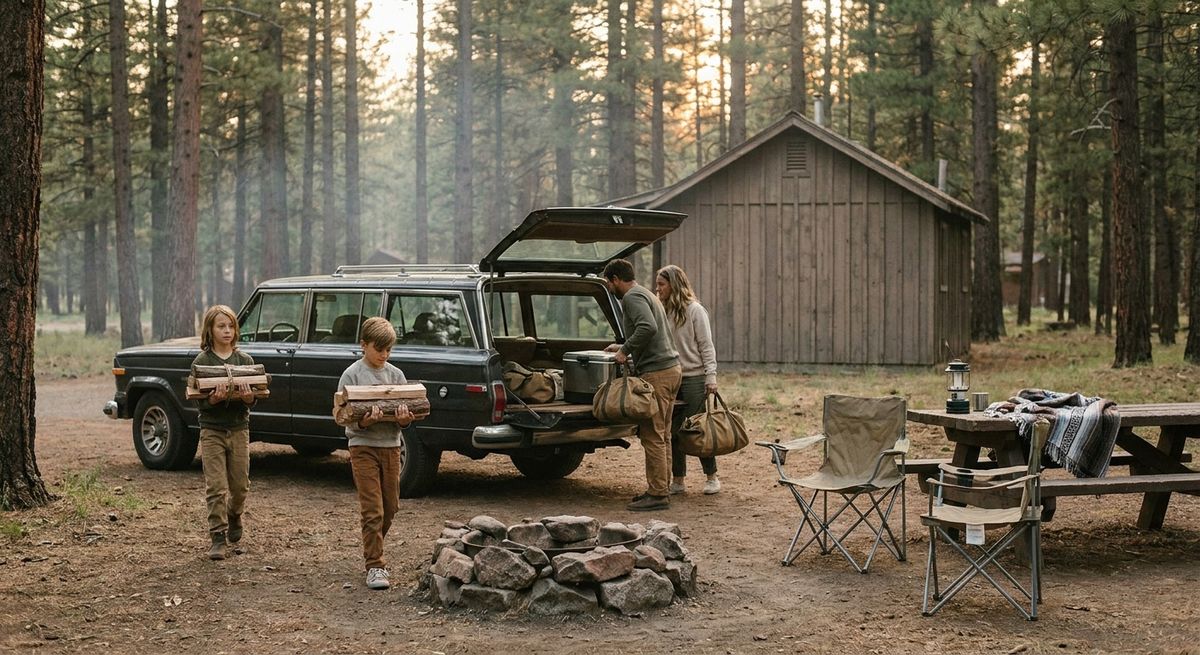
Camping remains the most important gateway into sustained outdoor recreation, because it converts a day activity into a multi-day habit. More than 52 million North American households camped in 2025, above pre-pandemic participation levels, according to KOA's 2026 Camping & Outdoor Hospitality Report, generating an estimated $66 billion economic footprint.
But the category itself has changed almost beyond recognition. Camping now spans tent sites, RV travel, cabins, glamping units, resort-style parks and a range of accommodations that would not have been described as camping fifteen years ago. That expansion is precisely what allowed the category to absorb so many new participants: someone who owns no equipment at all can still book a cabin and be camping by Friday night.
KOA's research highlights wellness, connection and meaningful experiences as central motivations for today's campers, which reframes what operators are actually selling. The site is the ticket; the experience is the product. Campgrounds that program activities, provide rental equipment and make arrival effortless are competing on a different basis than those selling a patch of ground. The commercial mechanics behind that shift are covered in our guide for campgrounds and RV parks.
| Traditional camping | Expanding outdoor hospitality | What the operator sells |
|---|---|---|
| Tent on a site | Cabins and glamping units | Accommodation with no gear required |
| Basic campsite | Premium and full-hookup sites | Tiered inventory and pricing |
| Bring everything | On-site rental equipment | Access as a revenue line |
| Cook at camp | Café and food service | Convenience and dwell time |
| Minimal amenities | Resort-style amenities | Reason to stay an extra night |
| Camping only | Activities and programming | The experience, not the site |
| One annual trip | Several shorter trips | Repeat bookings and loyalty |
13. Consumers are planning experiences earlier
Digital booking has changed how consumers plan activities that were once purchased at the destination. Arival research indicates that in 2025, 60% of travellers booking tours and attractions purchased at least three days in advance. Planning horizons often stretch much further: 17% of tour customers and 20% of attraction customers booked at least a month ahead.
This restructures the consumer journey for every experience-based outdoor business. A traveller researching a destination six weeks before departure can now reserve most of their itinerary before arriving. The competitive moment, the point at which the customer chooses one operator over another, has moved from the sidewalk outside the shop to a search result seen from a couch in another state.
For guides, outfitters, rental operators and attractions, the implication is uncomfortable but simple: an operator who cannot be booked online is invisible during the window when most of the decision happens, regardless of how good the experience is. Walk-in demand still exists, but it is increasingly what remains after the planners have already committed. We cover deposits, cancellation policy and booking mechanics in our guide for guides and outfitters.
| Booking behaviour | Share of customers | What it means for the operator |
|---|---|---|
| Booked at least 3 days ahead | 60% | Most demand is decided before arrival |
| Tour customers booking 1+ month ahead | 17% | Early inventory should be sellable months out |
| Attraction customers booking 1+ month ahead | 20% | Advance deposits improve pre-season cash flow |
| Booking within 48 hours | Remaining share | Keep last-minute capacity visible and bookable |
14. Access is becoming an alternative to ownership
Consumers do not need to own every piece of equipment they use, and for a casual participant the maths rarely favours buying. Someone skiing four days a year is better served renting. A traveller will rent a mountain bike rather than fly with one. A family trying paddleboarding will rent three boards before buying any. A first-time camper may reasonably choose a furnished cabin over a $1,200 kit.
Rental removes the single largest barrier to outdoor participation: the upfront commitment. That is why access has become such an important growth mechanism in a market where most new participants are occasional. It also solves the storage and transport problems that keep urban and travelling consumers out of gear-heavy activities altogether.
For businesses, rental should be understood as an acquisition channel rather than a substitute for retail. The rental customer has self-identified as interested, tried the product under supervision and formed an opinion about what they want. Applying rental fees toward a purchase turns that experience into the most qualified sales lead a shop can generate. The operational side, deposits, damage authorizations and high-value inventory, is covered in our guide for equipment rental businesses.
| Why consumers choose access | Consumer benefit | Business opportunity |
|---|---|---|
| High equipment cost | Lower cost of entry | Reach participants who would not buy |
| No storage space | No ownership burden | Urban and apartment-dwelling customers |
| Travelling | Nothing to transport | Destination rental demand |
| Trying a new activity | Commitment-free trial | Conversion pathway to purchase |
| Occasional use | Better economics per outing | Recurring revenue from one asset |
| Wanting premium equipment | Access to higher-end gear | Upsell to premium rental tiers |
| Children who outgrow gear | No wasted purchase | Seasonal youth rental programs |
15. Used gear is becoming part of the mainstream market
Outdoor equipment tends to have a long useful life, which makes the category naturally suited to resale. A quality bicycle can serve three owners. Skis hold value for years. Technical outerwear can outlast several owners' interest in the activity. Camping equipment is often retired because of a change in plans rather than a failure of the product.
Outdoor Industry Association reports that independent specialty retail finished 2025 in positive territory, helped by inventory discipline and a growing used-gear market. That is a notable data point: resale, long treated as a threat to new sales, is now contributing to the health of specialty retail rather than eroding it.
The trend satisfies several consumer pressures simultaneously. Higher prices make used equipment attractive. New participants hesitate to make large investments in an activity they may not continue. Experienced consumers use resale to access premium equipment at accessible prices. And extending product life appeals to customers who care about environmental impact. Few trends align budget and values so neatly.
| Consumer need | Option | Margin characteristics for the retailer |
|---|---|---|
| Lowest possible commitment | Rental | Recurring revenue per asset |
| Lower purchase price | Used and consignment | Higher percentage margin, lower ticket |
| Keep current equipment working | Repair and service | Labour margin, high repeat rate |
| Test before purchase | Demo program | Fee recovered, strong conversion |
| Long-term regular use | New equipment | Traditional retail margin |
| Moving up in the sport | Trade-in and upgrade | Two transactions from one customer |
16. Local expertise is becoming more valuable, not less
Consumers can research almost anything online, and they do. What abundant information has not solved is decision-making. Outdoor equipment is genuinely complicated: which bike size, which ski, which boot last, which rod weight, which campsite, which trail for a group with mixed abilities, which tour for a family with young children.
The more casual the participant, the more acute this problem becomes. An enthusiast can filter thirty options confidently. A beginner faced with the same thirty options frequently buys nothing, or buys wrong and quietly leaves the category. Expertise is what converts research into a purchase, and it is disproportionately valuable in a market where most new participants are inexperienced.
This is the structural argument for independent specialty retailers, guides and local operators in a digital market. Online information helps customers research. Local expertise helps them decide, and the person who helped them decide is the person they return to when something needs fixing, replacing or upgrading.
17. Community drives outdoor behaviour
Outdoor recreation is overwhelmingly social. Families camp together. Friends ski together. Cyclists join group rides. Runners join clubs. Anglers trade knowledge. Trail organisations turn maintenance into a social event. Most people discover new activities through other people rather than through advertising.
That makes community directly commercially relevant, particularly given the frequency gap. The barrier to a casual cyclist riding more often is rarely a lack of awareness that cycling exists. It is that Saturday morning has competing demands and nobody is expecting them. A standing group ride solves a problem no marketing campaign can.
For independent outdoor businesses, community is also the least replicable advantage available. A larger competitor can match assortment and undercut price. It cannot easily replicate a shop that a hundred local riders consider their meeting point, or a campground that three generations of a family return to every August.
| Community activity | Effect on participation | Commercial link |
|---|---|---|
| Weekly group ride | More frequent cycling | Service bookings and accessories |
| Running club | Habit formation | Predictable footwear replacement |
| Skills clinic | Confidence and new skills | Higher-consideration purchases |
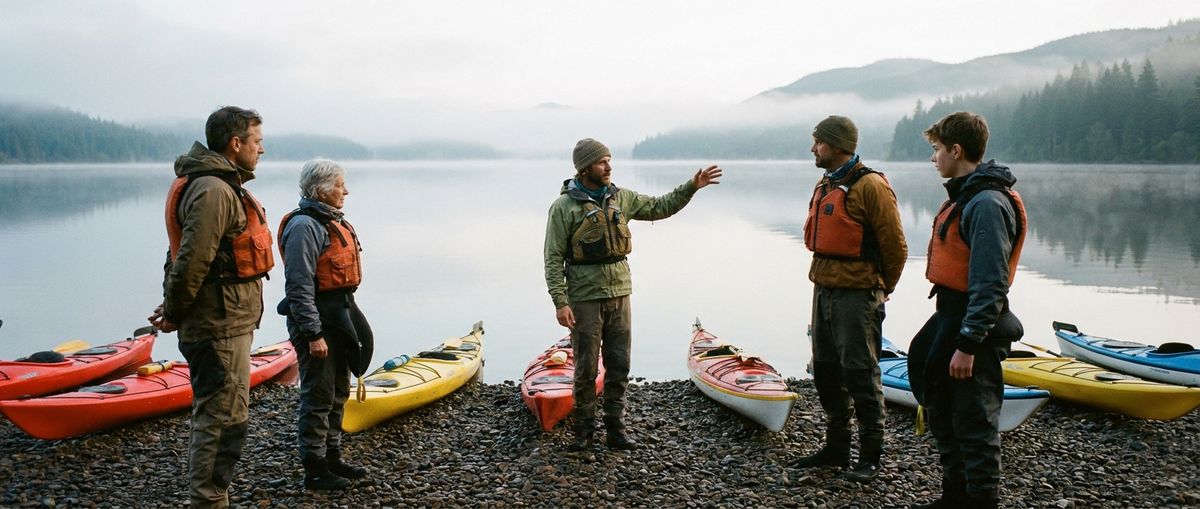
| Guided introductory trip | First-time confidence | Repeat trips and gear purchases |
| Family camping tradition | Annual repeat participation | Long-term booking loyalty |
| Local event or race | Discovery of the activity | New customer acquisition |
| Trail maintenance group | Local attachment | Community goodwill and referrals |
| Demo day | Product trial | Direct conversion to sale |
18. Wellness is now part of the outdoor proposition
Outdoor recreation increasingly overlaps with broader consumer interest in wellness, connection and quality of life. KOA's 2026 camping research specifically identifies wellness and meaningful experiences among the priorities shaping outdoor hospitality demand, and similar motivations appear across participation research more generally.
This matters because it widens the reason to participate. Someone does not need to identify as an athlete to want less screen time, family connection, fresh air, a break from work or a quiet weekend. Those motivations bring people outdoors who would never respond to performance-oriented marketing, and they are largely responsible for the participation growth of the last several years.
It also changes the competitive set. Outdoor recreation is no longer competing only for sporting-goods spending; it is competing for a consumer's weekend against restaurants, streaming, travel and everything else that fills discretionary time. Businesses that describe what a customer will feel, rather than what a product weighs, are speaking to the motivation that actually drives the decision.
| Motivation for going outside | What the customer is buying | How businesses can respond |
|---|---|---|
| Recreation | An activity | Programming and accessible entry points |
| Wellness | Time away from screens and work | Low-intensity, restorative experiences |
| Family time | Shared memories | Multi-generational offerings |
| Social connection | Belonging | Groups, clubs and events |
| Travel | A destination | Packages and local knowledge |
| Challenge | Progression | Guided and instructional experiences |
| Relaxation | Comfort outdoors | Cabins, glamping, premium sites |
| Nature | Access to a place | Parks, camping and quiet destinations |
19. Convenience has become an expectation
Consumers are willing to work hard climbing a mountain. That does not mean they are willing to work hard reserving a campsite. The tolerance for physical difficulty in outdoor recreation is high; the tolerance for administrative difficulty has collapsed, and it collapsed because every other category the consumer buys from has removed it.
This is the distinction outdoor operators need to hold onto: the adventure can be challenging, but the commerce around it should not be. A customer who cannot see availability, cannot book after business hours or has to print and sign a form will often choose the operator who removed those steps, not because the experience is better, but because the decision was easier to make.
Customers now expect to find accurate information online, see real availability, reserve ahead, receive confirmation, complete forms digitally, pay with familiar methods, collect equipment quickly and change a reservation when plans shift. None of these are luxuries; they are the baseline that other industries have already established on the operator's behalf.
The modern outdoor customer journey is decided across several steps, most of which happen before the customer arrives. Friction at any one of them removes the business from consideration.
- 01DiscoverSearch, social or a recommendation from a friend, usually on a phone.
- 02EvaluateReviews, photos and clear information about what is included.
- 03Check availabilityReal-time availability, often outside business hours.
- 04Book and payDeposit taken, confirmation sent, waiver signed digitally.
- 05Arrive and participateFast check-in so the experience starts on time.
Most lost bookings occur at a step the operator never sees, because the customer abandons the process before making contact.
20. The consumer journey is getting longer
Consider a new cyclist. They begin with a rental on holiday. Then they buy a helmet. Then a bike. They return for service, join a group ride, buy apparel, take a cycling trip, upgrade the bike and eventually bring a child into the sport. A customer who initially looked like a $50 rental can represent several thousand dollars of economic activity spread across a shop, a guide, a destination and a campground.
This is why frequency matters so much, and why measuring a customer by their first transaction is misleading. Every additional outdoor day creates another chance for the relationship to deepen: another service visit, another accessory, another trip booked, another friend brought along. Businesses that can recognise a returning customer across rentals, purchases and service are the ones able to see this value at all.
The practical requirement is unglamorous: a single customer record that survives across channels. Most outdoor businesses already collect the information; it simply lives in three systems that do not speak to each other. We discuss how operators are consolidating that view in our guide to choosing a POS system for an outdoor business.
| Journey stage | Typical example | Business that captures it |
|---|---|---|
| Discover | A friend or social post | Community and word of mouth |
| Try | First rental | Rental operator or retailer |
| Learn | Guide, lesson or clinic | Guide, outfitter, resort |
| Participate | Local outings | Local retailer and destinations |
| Buy | First equipment purchase | Specialty retailer |
| Maintain | Service and repair | Workshop and service department |
| Travel | Destination trip | Campground, resort, marina, guide |
| Upgrade | Better equipment | Retailer with trade-in program |
| Belong | Club, event, community | The business that hosts it |
| Repeat | Lifetime participation | Every business in the ecosystem |
What the 2026 consumer means for outdoor businesses
The data describes a more nuanced picture than simple industry growth. The audience is larger than ever, but many participants are casual. Consumers are still spending, but they are increasingly value-conscious and buying fewer units at higher prices. Travel remains a priority, but shorter and regional trips are gaining share. Products still matter, and so do experiences, rentals, service and access.
Read together, these trends point in a consistent direction. The businesses positioned for the next several years are the ones that make participation easy, offer more than one way to take part, and treat the relationship rather than the transaction as the asset. Five implications stand out.
1. Design for casual participants as well as enthusiasts
Do not assume the customer already understands the category. Plain language, curated choice and staff who can recommend rather than merely inform will convert a far larger share of the people walking through the door, and casual participants account for the overwhelming majority of category spending.
2. Give consumers more than one way to participate
Ownership is one model among several. Rental, used equipment, repair, demos, memberships and guided experiences all expand the addressable market, and each one creates a relationship with a customer who was not ready to buy new.
3. Focus on the second visit
With participation already at record levels and frequency declining, getting an existing participant back outside is usually cheaper and more valuable than recruiting a first-timer. Programming, reminders, events and follow-up are frequency tools, and frequency is where the growth is.
4. Combine digital convenience with human expertise
Let technology handle availability, reservations, confirmations and routine transactions. Let people handle expertise, hospitality and community. Businesses that invert this, automating the human part and manually managing the administrative part, tend to be worse at both.
5. Sell the experience, not only the equipment
Outdoor consumers are not trying to own more outdoor products. They are trying to do more outdoors. Businesses that frame their offering around the day the customer is planning, rather than the object on the shelf, are aligned with the motivation that actually drives the purchase.
The outdoor industry no longer has an awareness problem. A record 183.2 million Americans have already decided the outdoors matters. The opportunity is helping them get outside more often.
The Fizel outdoor consumer outlook
The outdoor consumer of the next several years will not fit the traditional enthusiast stereotype. The market includes serious athletes and weekend hikers, expedition travellers and family campers, bike owners and bike renters, technical buyers and complete beginners, young families and active retirees. Planning for one of those customers and hoping the rest adapt is the most common strategic mistake in the category.
Six shifts appear particularly important. Participation will remain broad, because outdoor recreation has become mainstream rather than aspirational. Frequency will become the industry's defining challenge, moving the central question from how many people participate to how often. Value will continue to matter, pushing consumers toward repair, rental, resale and more considered purchases. Experiences will capture a growing share of attention and budget. Convenience will be expected rather than appreciated. And human expertise will remain valuable precisely because outdoor recreation is physical, local and often technical.
| Shift | What it looks like in 2026 | What businesses should do |
|---|---|---|
| Broad participation | 183.2M participants, 59% of Americans 6+ | Serve beginners as deliberately as experts |
| Frequency gap | Record participants, declining outings | Invest in retention and programming |
| Value consciousness | Units -7.3%, prices +6.7%, service +28.5% | Build service, rental and used channels |
| Experience spending | $271B global tours and activities market | Sell days out, not just products |
| Regional travel | Shorter, drive-to trips gaining share | Market within drive-time radius |
| Advance planning | 60% book experiences 3+ days ahead | Be bookable online, months out |
| Expertise premium | More information, harder decisions | Make staff knowledge visible and accessible |
The opportunity is more time outside
The outdoor industry's growth story is not really about selling more gear. It is about participation. A record 183.2 million Americans got outside in 2025. They camped, hiked, rode bikes, visited parks, fished, skied, paddled, ran and travelled, and spent money throughout an enormous ecosystem of businesses that made those experiences possible.
The most interesting question is what happens next. Can someone who hikes twice this year hike six times next year? Can a first camping trip become an annual family tradition? Can a rental become a lifelong activity? Can a store become a community? Can a guide turn a first experience into a passion?
The future of the outdoor economy depends less on convincing people that the outdoors matters. Millions have already decided that. It depends on helping them get outside more often, which is a challenge of access, convenience, expertise and community far more than one of marketing.
About Fizel
Fizel builds modern payment and commerce solutions for the businesses that get people outside: shops, guides, rentals, campgrounds, marinas, resorts and businesses across the outdoor economy. We believe technology should make running an outdoor business simpler while staying out of the way of the experience itself.
Sources & methodology
This report synthesises published research from industry associations, federal agencies and travel research organisations, combined with Fizel's analysis of how those consumer trends affect outdoor business operations. Figures are presented as approximations drawn from the most recent reporting period available for each source and cover the United States or North America as noted in the surrounding text. Where a precise figure could not be supported by published research, the analysis is qualitative rather than numeric.
| Organisation | Data used | Scope and period |
|---|---|---|
| Outdoor Industry Association | Participation levels, frequency, demographics, retail sales, units, pricing and service spending | United States, 2025 participation and Q1 2026 retail research |
| Outdoor Foundation | Participation research underpinning outdoor recreation trend reporting | United States, annual participation studies |
| U.S. National Park Service | Recreation visits, visitor hours, overnight stays and park-level visitation | United States, calendar year 2025 |
| Kampgrounds of America | Camping households, economic footprint and camper motivations | North America, 2026 Camping & Outdoor Hospitality Report |
| U.S. Travel Association | Domestic leisure travel spending forecasts and travel composition trends | United States, 2025 actual and 2026 forecast |
| Arival | Tours, activities and attractions booking behaviour and lead times | Global experiences sector, 2025 |
| Phocuswright | Experiences market sizing and distribution trends | Global travel and experiences, 2025 |
Interpretation, framing and business implications are Fizel's own and should not be attributed to the organisations listed above.