
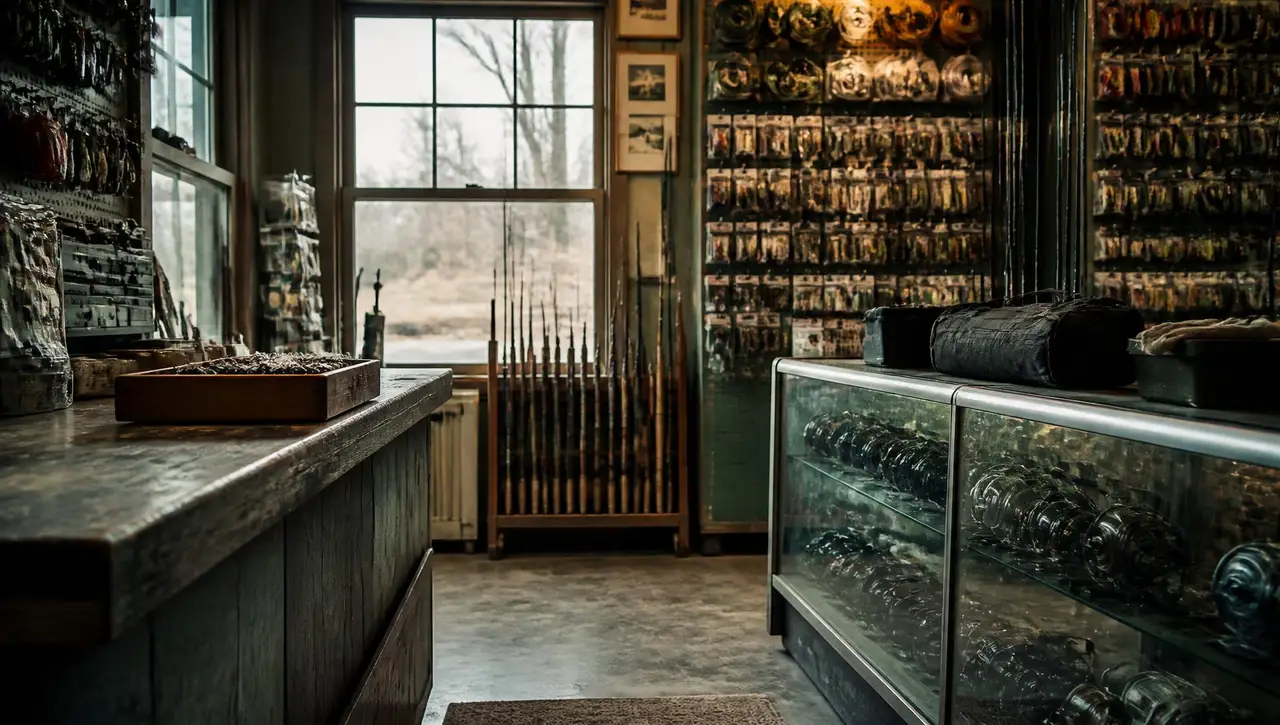
Fishing Guides & Outfitters
Payment Solutions for Fishing Guides & Outfitters
From the deposit that holds the dates to the balance paid the week before arrival, Fizel supports the way guided fishing businesses get paid, months in advance, from anywhere in the world, and at the ramp on the morning of the trip.
Higher-value bookings treated as ordinary business, internationally issued cards, funding that generally lands the next business day, and month-to-month terms you can pause through the off-season.
The operating reality
The trip starts long before the first cast.
A guided day lasts eight or ten hours. The commercial relationship behind it can run the better part of a year. Someone finds the operation in the middle of winter, asks about a week in June, holds dates with a deposit, books flights, adds a second angler in April, pays the balance in May and finally shakes your hand at a boat ramp in the dark.
Meanwhile the business behind that trip is running guides, boats, vehicles, equipment, permits, fuel, sometimes rooms and meals, seasonal staff, and conditions that can rewrite the plan the night before. The money arrives in pieces, from people who are nowhere near you, across a calendar that has very little to do with a normal retail month.
Fizel specializes in the outdoor economy and brings enterprise payment capability to it. For a fishing outfitter that means advance payments, deposits and balances, higher-value bookings, internationally issued cards and acceptance in the field, under one merchant relationship, with none of it treated as an exception.
The payment journey
Six steps, sometimes eight months, one relationship.
Payments can land weeks or months apart, through different channels, from a customer who has never stood in front of you. The sequence below is where most guided fishing revenue actually comes from.
01
Inquiry
An email in January about the second week of June. No money changes hands, but the commercial relationship has started.
02
Reservation
Dates held, terms explained, a confirmation sent. Everything after this depends on the operator's own booking policies.
03
Deposit
A card paid online, by payment link or over the phone, often from a customer-not-present, several time zones away.
04
Balance
Weeks or months later, an invoice or scheduled payment closes out the trip price before anyone travels.
05
Arrival
An extra angler joins, a day gets added, a license or a package is settled. New charges, on a different device.
06
Trip
The part everyone remembers, and commercially the shortest step of the six.
Online payments, hosted payment pages, payment links, a virtual terminal, invoicing, deposits and scheduled payments cover that whole arc. Fizel is the payment layer, the booking calendar, trip terms and guide scheduling stay in whatever system you already run.
Sound like your business? Tell us how you take payments today and we'll put together a quote built around it.
Who this is for
Professional fishing operations, in most of their forms.
Not every operator has boats, rooms or a crew, and the same business can look different in July than it does in October. What these operations share is advance money, a compressed calendar and guests who travel.
Fly-fishing guides
Day trips on home water, walk-and-wade or a boat, often booked a season ahead by people who have fished with you before.
Freshwater and warmwater guides
Lakes, reservoirs and river systems, bass, walleye, pike and whatever the water is producing that month.
Saltwater charters
Flats skiffs, nearshore and offshore charters, with fuel, crew and a boat that has to be ready before anyone arrives at the dock.
Salmon and steelhead outfitters
Businesses built around runs and windows, where a handful of weeks can carry a disproportionate share of the year.
Backcountry and multi-day outfitters
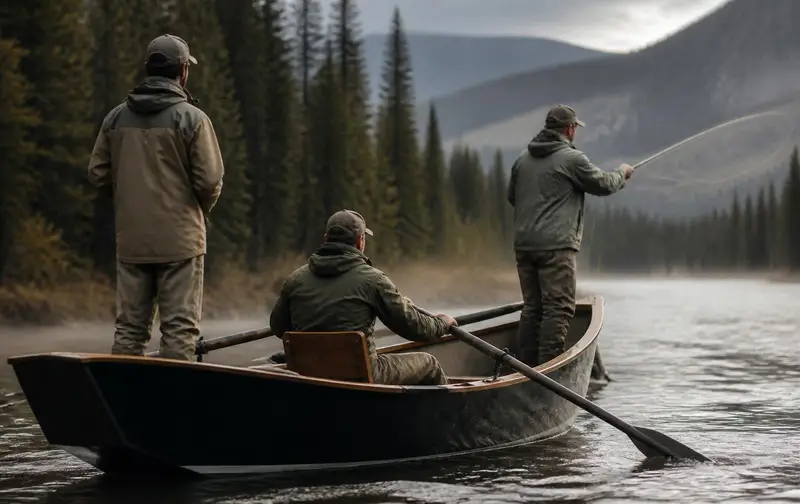
Float trips, remote camps and logistics that start well before the fishing does, permits, food, transport, staff.
Lodges and multi-guide operations
Several guides, rooms, meals and packages sold as a week rather than a day, sometimes across more than one destination.
For guiding and outfitting more broadly, hunting, hiking, climbing and multi-discipline operations, our guides & outfitters page is the wider commercial page. Operators selling non-fishing guided experiences alongside the fishing calendar may also want adventure tour operators, and those running kayak, canoe or raft trips can read paddlesports rentals & outfitters. This page stays with guided fishing.
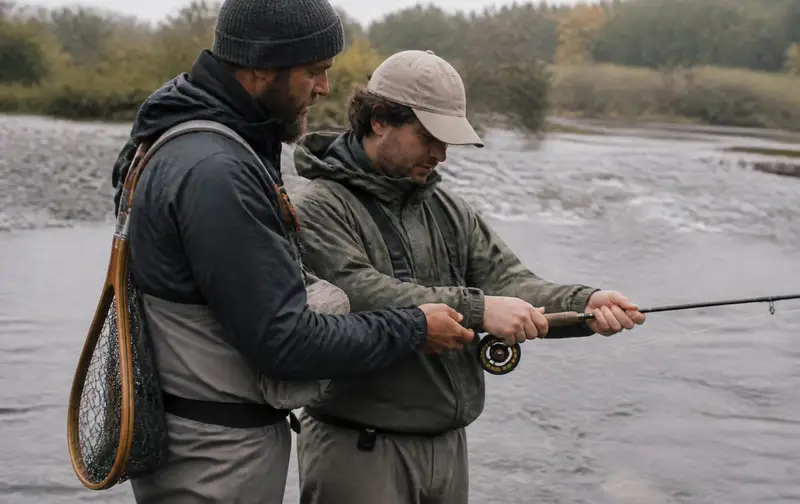
Deposits and trip balances
Very few trips get paid for all at once.
Depending on how an operation runs, a guest might pay a deposit to hold dates, make scheduled payments across the spring, settle a balance before arrival and pick up additional charges after the trip has already started. Four separate movements of money, one booking, and a gap between the first and last that can be longer than most businesses' entire sales cycle.
Fizel supports that shape directly: deposits, scheduled payments, invoicing, hosted payment pages and payment links, plus a virtual terminal for the booking taken over the phone while you are standing in a parking lot. Reporting reads it as one business rather than a scatter of unrelated transactions.
What we do not do is write your policies. Deposit amounts, payment schedules, weather calls, cancellations and refunds are the operator's decisions, and they should stay that way. Our job is making sure the payment side never becomes the reason a booking is awkward.
For a practical look at how operators set those terms, see our guide to charter deposits and cancellation policies.
The deposit arrives in February. The boat leaves the ramp in June.
Guided fishing
Before anyone arrives
The morning starts early.
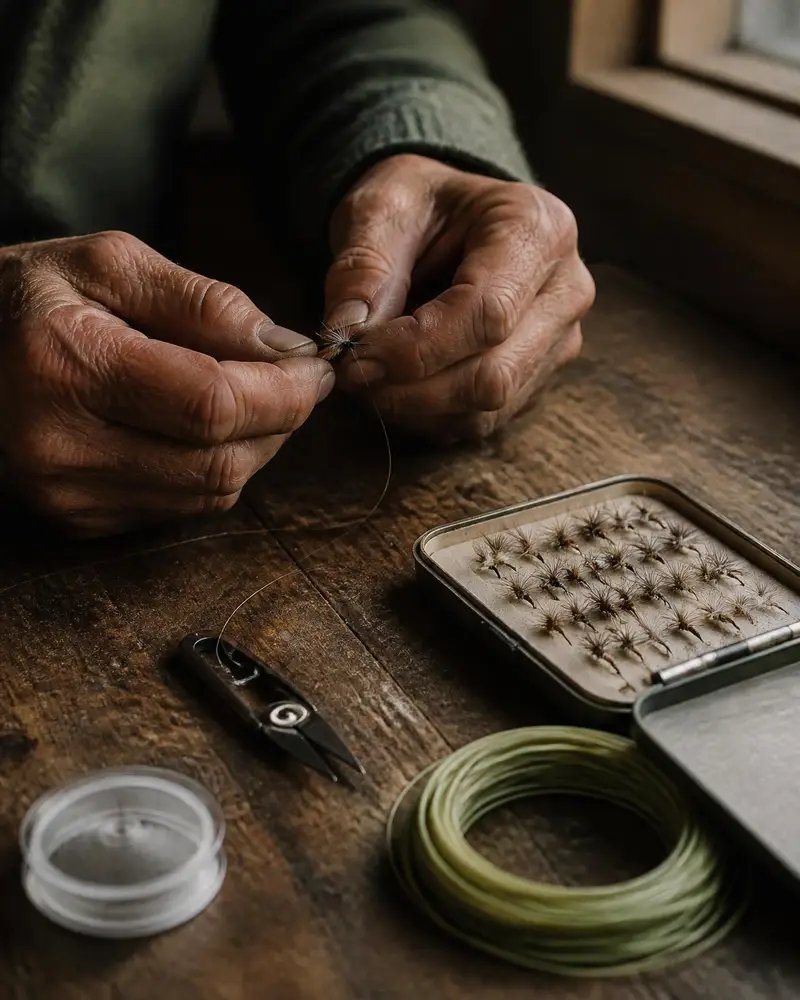
Long before the guest pulls into the lot with a coffee and a bag they packed at midnight, someone has already been awake for two hours. The boat is checked and the trailer lights are working. Rods are strung, leaders are fresh, the tackle is sorted for the water it is actually going to see today rather than the water it saw last week. Coolers are loaded. Lunches, where the trip includes them, were made the night before.
Fuel, ice, the shuttle driver, the second guide who is meeting the group at a different access, the flows that came up overnight and changed the plan, the spare raincoat for the guest who will not have brought one. None of this is billable. All of it is the difference between a trip people talk about for a decade and a day that merely happened.
The customer remembers the fish. The outfitter remembers everything it took to get them there. We build payments for the second person.
One industry. Very different trips.
Transaction range
Three businesses, one category
A half day and a week in the wilderness are not the same transaction.
Guided fishing spans a wider commercial range than almost any other outdoor category. The same processor has to be comfortable with the small local booking and the multi-day destination trip, because plenty of operations sell both.
Half day, local water
One guide, one boat, home river.
Booked a week out or the night before, sometimes paid on the tailgate at the takeout. Modest ticket, high frequency, and a customer who may live twenty minutes away.
Full-day charter
A captain, a crew, a dock and fuel.
A party of four splitting a boat, a deposit to hold the date, a balance at the marina. Larger ticket, weather-dependent, and a business with fixed costs that run whether the boat leaves or not.
Multi-day and lodge
A week, several guides, rooms and meals.
Reserved eight or ten months ahead, paid in stages, often by someone on another continent. The largest transactions the operation will process, and the ones it plans a season around.
A merchant account set up around only one of those columns makes the other two feel like exceptions. Fizel configures the account around the real spread, average ticket, high ticket, channel mix and the months it all lands in. Operations with rooms and meals as a formal part of the offer may also want our fishing & wilderness lodges page.
Higher-value bookings
A week at a lodge is not a small transaction.
Multi-day trips, remote destinations, private charters, lodge packages and groups booking together all produce transactions well above an average outdoor sale. That is not a warning sign; it is the best business the operation does, and usually the most committed guest on the calendar.
Fizel supports higher-ticket payment environments and sets the merchant account up around your real transaction profile, average ticket, high ticket, booking-season volume and the split between advance and in-person payments. A five-figure group booking should clear like the ordinary business it is.
International and destination guests
They booked a flight before they booked the guide.
An operation in British Columbia, Alaska, Montana, Florida or the Bahamas serves people who traveled a very long way on purpose. Their card was issued somewhere else, their deposit was paid from another continent, and they will not be anywhere near your terminal until the morning of the trip.
Internationally issued cards, multiple currencies and FX/DCC are established Fizel capability, in person and online. Combined with advance and customer-not-present acceptance, a destination guest is simply a guest, not an edge case to be worked around.
Private parties and groups
One booking. Six anglers. Usually one card.
A large share of guided fishing is sold to groups rather than individuals: a family taking two boats, four friends who do the same week every year, a corporate party, a father and son booking a destination trip, a club filling a lodge. Someone in that group becomes the organizer, and that person is the one you actually transact with.
That shape has its own payment needs. A deposit to hold several boats at once. An invoice to a company rather than a person. A payment link forwarded to whoever is holding the budget. A balance settled weeks later, occasionally by a different card than the deposit. A late addition when a seventh angler joins in May.
Payment links, invoicing, deposits, scheduled payments, a virtual terminal for the booking taken by phone and customer-not-present acceptance cover all of that inside one merchant relationship. How the group divides the cost among themselves is their business, and your terms decide the rest.
Where the money usually comes from
- One organizer paying for the whole party
- A company settling an invoice for a client trip
- A deposit now, a balance closer to the dates
- An added angler, boat or day after the booking closed
- A card issued in a country you do not operate in
The business doesn’t always happen behind a counter.
Where the work happens
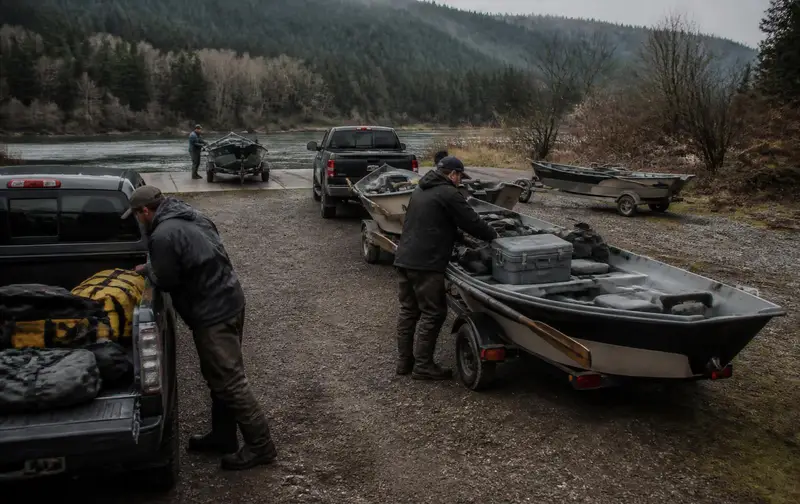
The operation moves
There is rarely a counter to stand behind.
A working day can start at a marina, a lodge, a gravel bar, a boat ramp, the back of a truck or a meeting point chosen because it is the last place with parking. Somewhere in that day, someone adds a trip day, buys flies out of the boat box, settles a shuttle or pays for gear they meant to bring.
Wireless terminals, mobile payments, Tap to Pay on supported devices and payment links cover those moments. What matters is that taking the payment does not interrupt the trip, the guest is here to fish, and the guide has a boat to row.
Coverage is still coverage. Cellular and internet service are not reliable everywhere these businesses operate, and no payment company changes that. Sensible operations mix in-field acceptance with advance payments and payment links precisely because the canyon has no bars.
A short note
When conditions change.
Outdoor businesses work in an environment nobody controls. Water comes up, wind gets on the ocean, access closes, a run arrives two weeks late. Whether a trip runs, moves or is cancelled is the operator’s call, and so are the cancellation, rescheduling and refund terms that follow it. Fizel does not make those decisions and does not write those policies. What we do is make sure the payment side supports whichever one you make, a rescheduled trip that keeps its deposit, a refund processed cleanly, a balance moved to different dates, without the payments becoming a second problem on a morning that already has one.
One season can matter a lot
A handful of weeks can carry the year.
A steelhead outfitter, a Florida flats guide and a northern lodge do not share a calendar. One works specific runs, one works winter destination travel, one has a summer window measured in weeks and a road that is only open for part of it. Some markets fish year-round. Most do not.
What they have in common is concentration: a limited number of weeks producing a large share of annual revenue, with the booking money arriving on one schedule and the operating costs on another. Funding that generally lands the next business day matters far more in that pattern than in a flat retail year, fuel, crew and food do not wait for a settlement cycle.
And when the season closes, the account should be able to close with it.
Month-to-month. No locked-in contracts.
Seasonal businesses can pause their merchant account during the off-season.
- Pause through a genuine off-season instead of carrying a dormant account
- Restart ahead of booking season rather than starting over
- Funding generally next business day while you're operating
- Booking-season volume spikes expected, not flagged as unusual
- Pricing quoted on your season, not on a flat annual average
The business behind the guide
One person on the oars. Considerably more behind them.
Depending on the operation there are several guides to schedule and pay, boats and vehicles to maintain, trailers, motors, equipment that wears out, permits and licenses, fuel, insurance, and in some businesses rooms to turn over and meals to put on a table. Seasonal staff arrive in May and are gone by October. Someone answers the phone in February.
None of that is visible to a guest, and none of it is Fizel's software to run. We mention it because a payments company that does not understand the operation behind a booking tends to make decisions that feel arbitrary to the person running it, a held deposit during booking season, a query about why March looks nothing like July.
Multiple revenue streams
The guided day is rarely the whole invoice.
Few operators run all of these, and some run only the first. Where they exist, they can sit inside the same broader merchant environment rather than a separate arrangement each, with the operating software behind each service remaining whatever you already use.
- Guided days and multi-day trips
- Lodging and meals, where the operation includes them
- Equipment rental and loaner gear
- Flies, tackle, terminal gear and retail
- Branded merchandise
- Transportation, shuttles and access logistics
- Casting and skills instruction
- Added trip days and group bookings
Operations with a retail side may also find our fly fishing shops and fishing & tackle shops pages useful, and those running boats for hire beyond guided fishing can read boat rentals & charters.

Eight months of planning, condensed into about four seconds.
The reason people wire a deposit to a stranger in a valley they have never seen.
Payment capabilities
Advance, remote, and in the field.
Booking and advance payment run on online payments, hosted payment pages, payment links, deposits and scheduled payments. Remote transactions use a virtual terminal, invoicing and customer-not-present acceptance. Around the operation, wireless terminals, mobile payments and Tap to Pay on supported devices cover the ramp, the dock and the lodge desk.
Across the business that means merchant accounts built for higher-ticket environments, internationally issued cards, multiple currencies and FX/DCC, recurring payments where they apply, multi-location and multi-guide environments, consolidated reporting and broad integrations. The full range is on our solutions page. Terminals, mobile payments and Tap to Pay at the ramp are covered under accepting payments in person.
Existing systems
Keep the systems that already work.
By the time an outfitter talks to us there is usually booking or reservation software in place, sometimes a lodge-management system, an ecommerce site, a POS and accounting software that all of it reconciles into. Replacing that stack is almost never the improvement anyone actually wants.
Fizel integrates broadly across commerce and business systems. We start with how the operation runs today and build the payment environment around it; the specific integration for your stack is confirmed during setup. That software belongs to its vendors, Fizel is the payment layer underneath it.
See the platforms Fizel works with for a sense of the booking, POS, ecommerce and accounting systems payments can connect to.
An observation
Repeat guests are the whole business model.
The best operations barely advertise. A guest comes for cutthroat in July, comes back the following spring for a different river, brings two friends the year after that and eventually books a week at a lodge three provinces away on the strength of a recommendation. The relationship outlasts several boats. Payments should support that quietly, a deposit that goes through on the first attempt, a balance that is easy to settle from an office in another country, a receipt that arrives without anyone chasing it, and otherwise stay out of the way of the thing the guest is actually buying.
Support, settlement and terms
Support that already knows what booking season looks like.
A generic support queue does not know why an outfitter is taking deposits in January for trips in July, why transaction sizes jump during booking season, or why most of the year's volume lands in a window of a few weeks. Explaining that from a boat ramp with one bar of signal is not how anyone wants to spend a morning.
Fizel provides knowledgeable human payments support from people who understand the businesses behind the transactions. Funding generally lands the next business day, terms are month-to-month with no locked-in contracts, and seasonal operators can pause the account when the season ends.
How Fizel fits
- Booking a date
- A deposit secures the date and helps cover advance trip preparation.
- Balance on the water
- Tap to Pay on supported devices takes the balance at the ramp, no office required.
- Phone bookings
- Virtual terminal and payment links settle trips arranged by phone or text.
- Weather changes
- Refunds and rescheduled deposits handled without a call centre in the middle of the season.
Pricing
Priced on a guiding calendar, not a flat average.
A single-guide operation running eighty days a year prices differently from a lodge with six guides, rooms, meals and a retail counter. We quote on real volume, average and high ticket, the split between advance and in-person payments, international card share, the shape of your season and the systems already in place. Month-to-month, with no locked-in contracts.
Further reading
Payment Processing for Guides & Outfitters
How guiding and outfitting businesses evaluate a payments partner across deposits, advance bookings and in-field acceptance, plus how seasonal operators think about funding, terms and a calendar that concentrates revenue into a handful of weeks.
Questions
Guided fishing payments, answered.
Can Fizel support deposits and advance payments for guided fishing trips?
Yes, and for most guided fishing businesses that is the normal case rather than the exception. A deposit taken in February and a balance settled in June are part of one payment relationship: deposits, scheduled payments, invoicing, hosted payment pages, payment links, online payments and a virtual terminal for the booking taken over the phone all sit inside the same merchant environment. Your merchant account is configured with your real booking pattern in mind, so a booking-season spike months ahead of the operating season is expected rather than surprising. The terms themselves (deposit amounts, payment timing, cancellation and refund policy) remain yours. Fizel handles the money movement, not the booking rules, and is not booking or guide-management software.
Can Fizel support higher-value multi-day and destination fishing trips?
Yes. A week at a remote lodge, a private charter, a fly-in trip or a group of six booking together can be many times an average outdoor retail transaction, and it is entirely legitimate business. Fizel supports higher-ticket payment environments and configures the merchant account around your actual transaction profile (average ticket, high ticket, seasonal volume and the split between advance and in-person payments) during setup. Where accommodation, meals or transport are part of a package, the transaction values get larger and the booking windows get longer; that is accounted for rather than treated as an anomaly. Underwriting outcomes are always specific to the individual business.
Can we accept payments from international fishing customers?
Yes. Established fishing destinations across Canada and the United States draw guests who fly in specifically for the trip and pay with cards issued somewhere else, often months before they travel. Fizel supports internationally issued cards, multiple currencies and FX/DCC, online and in person, alongside advance and customer-not-present acceptance for the deposit and balance paid from another country. A guest settling a five-figure trip from another continent before they have ever entered the country is ordinary business for a destination outfitter, and we set the account up on that basis.
Can Fizel work with our existing booking or reservation software?
That is the starting point. Most operations already run booking or reservation software, sometimes tour or guide-management software or a lodge system, an ecommerce site, a POS and accounting software that all of it reconciles into. Fizel does not build, own or replace any of that. We integrate broadly across commerce and business systems, start with how the operation runs today, and confirm the specific integration for your stack during setup rather than promising it in advance. Keep the systems that already work; we improve the payment layer around them.
Can Fizel support mobile payments for guides and remote operations?
Yes. Wireless terminals, mobile payments, Tap to Pay on supported devices and payment links let a guide take a payment at a boat ramp, a marina, a lodge desk, a gravel bar or a meeting point chosen because it is the last place with parking, with countertop terminals where there genuinely is a counter. Cellular and internet coverage is not guaranteed everywhere these businesses operate, and no payment company can change that. Sensible operations pair in-field acceptance with advance payments and payment links precisely because the canyon has no bars, a practical planning point rather than a limitation of the payment setup.
Can seasonal fishing businesses pause their merchant account during the off-season?
Yes. Fizel is month-to-month with no locked-in contracts, and seasonal businesses can pause their merchant account during the off-season rather than carrying it through months with no trading. A steelhead outfitter, a bass guide, a northern lodge and an offshore charter do not share a calendar, so tell us the shape of yours (runs, weather windows, access, tourism season, the booking spike that arrives long before the water does) and the account is set up around it. While you are operating, funding generally lands the next business day.
Something specific to your operation? Contact us and we will give you a straight answer. More on how we work with this segment is on the guides and outfitters industry page.
From the first deposit to the last day of the season.
Tell us how the operation books, takes deposits, settles balances and works in the field, and we will build a quote around your season.