
Ski & Snowboard Shops
Payment Solutions for
Ski Shops
A ski shop is several businesses sharing one roof: a sales floor, a boot bench, a tuning room, often a rental counter and a website, and most of the year’s opportunity arrives inside a few months.
Fizel builds the payment environment around all of it, with settlement that generally lands the next business day and month-to-month terms that respect a seasonal business.
Ski & snowboard retail
Four businesses. One building. One season.
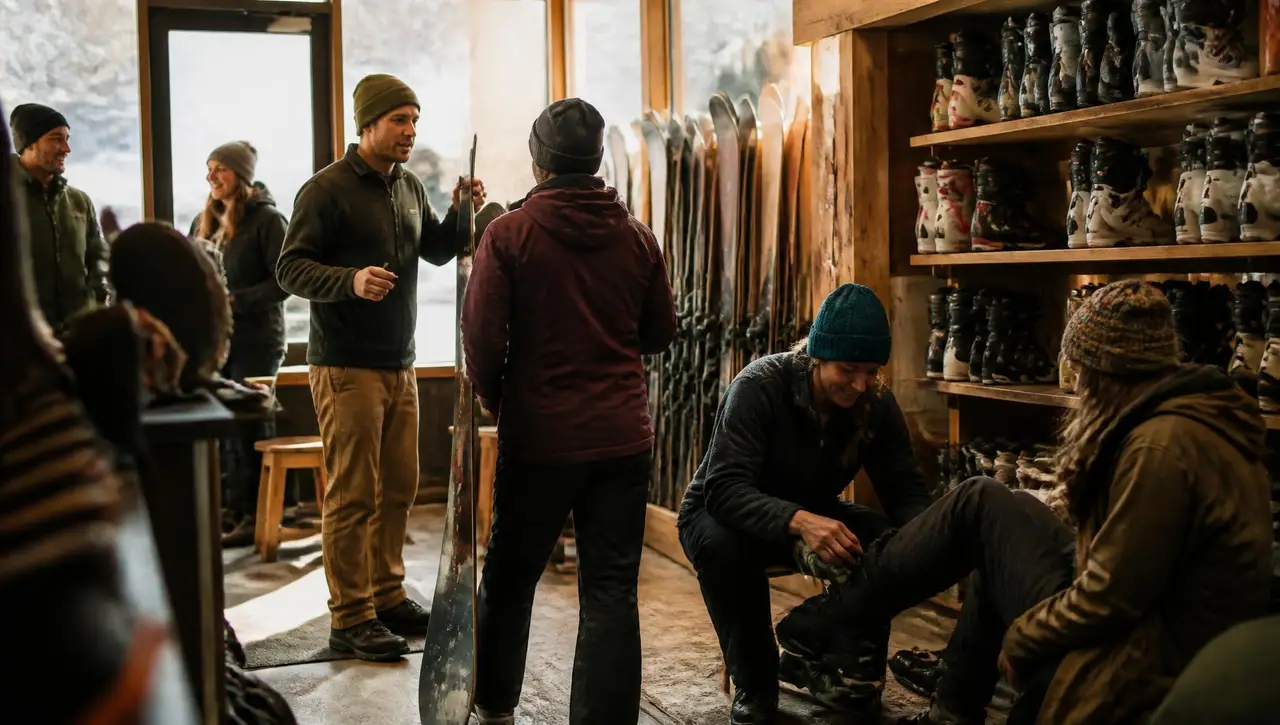
Nothing about a ski shop behaves like ordinary retail. The hardgoods wall carries the biggest tickets of the year, the boot bench takes an hour per customer, the tuning room runs on its own schedule, and, where a shop rents, the counter turns over gear every morning before the lifts spin.
Fizel works exclusively with businesses built around the outdoors, which means we start from how a shop actually operates rather than from a template. Ski shops sit inside Retail & Service, the category we work across most.
Hardgoods
Skis, boards, bindings and boots. The largest tickets in the building, often sold as a package and mounted before the customer leaves.
Softgoods
Jackets, layers, helmets, goggles, gloves. High volume, fast decisions, and a queue that does not stop on a Saturday.
The bench
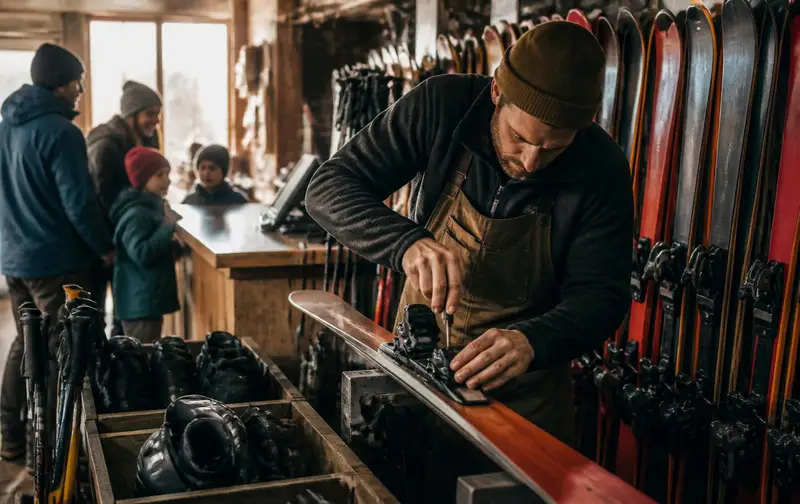
Tunes, waxes, base repairs, mounts and boot work: quoted one day, collected another, sometimes by someone who is already on the hill.
The rental counter
Where a shop rents, reservations, deposits and returns run on their own clock alongside everything else.

The lights are on before the lifts open and long after they close.
The shape of the year
Preseason. Peak. Spring. Gone.
Few retailers compress this much of their year into this few months. The payment setup has to hold up on the busiest weekend and still make sense in July.
Preseason
Inventory is bought and paid for months before a single pair of skis is sold. Cash goes out long before it comes back.
Opening weekend
The first real snow rewrites the week. Volume arrives suddenly, and the counter needs to keep moving.
The holidays
Destination customers, family rentals, gift purchases, and the busiest trading days of the year, compressed into two weeks.
Powder days
Unplanned surges. A storm cycle can move more goggles, gloves and demo rentals than a quiet fortnight.
Spring
Discounting, clearance, end-of-season tunes and storage waxes, with tickets shrinking as the snow goes.
Off-season
Service work, summer lines, ecommerce and preseason ordering carry the months with no lift line.
Two things matter more here than in most retail categories. Settlement generally lands the next business day, so a strong holiday week starts cycling back into the business while the season is still running. And Fizel is month-to-month with no locked-in contracts, a fair arrangement for a shop whose volume looks nothing in April like it did in December.
Sound like your business? Tell us how you take payments today and we'll put together a quote built around it.
Big tickets, ordinary business
An hour on the bench, a season on the snow.
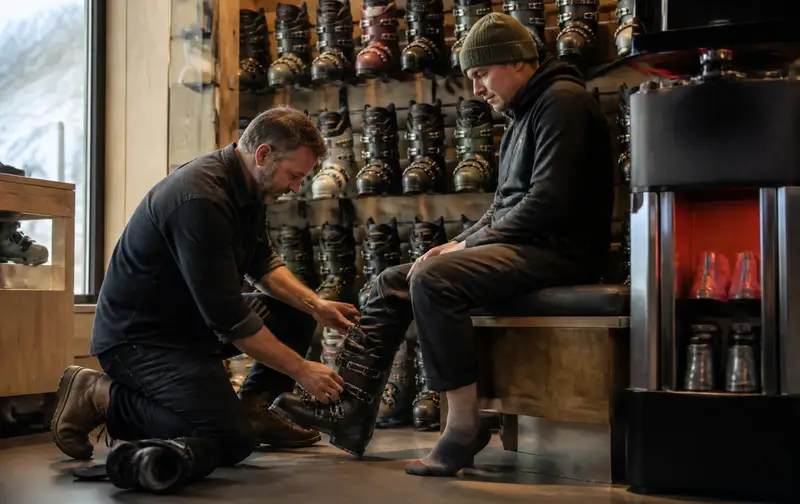
A boot fitting, a full package with skis, bindings and a mount, a premium shell and layer system: these are considered purchases with tickets to match, and they routinely land on the busiest afternoon of the week.
Fizel supports high-ticket payment environments as standard. We start from your real transaction profile, average ticket, peak ticket, how often the big ones come, and configure the account around it, so a full setup rings through as normal business.
Special orders work the same way: a deposit today at the counter or by payment link, the balance when the customer collects.
The service counter
Work approved on Thursday, collected on Sunday.
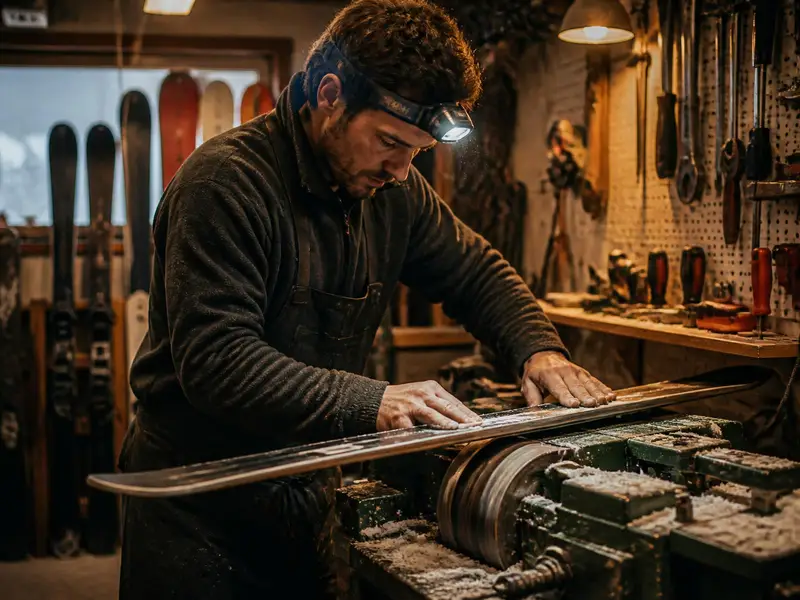
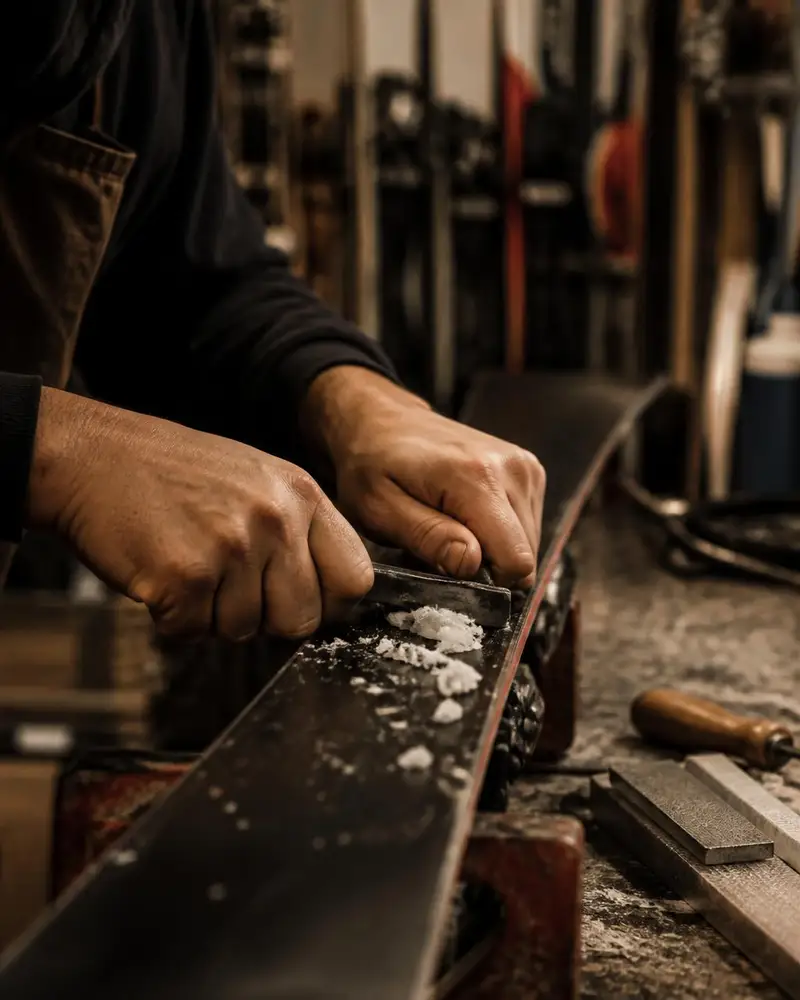
Tunes, waxes, base and edge work, mounts, adjustments and boot punches all get quoted at one moment and paid for at another, frequently by a customer who is on the hill, at the condo or already driving home.
Payment links, a virtual terminal and invoicing cover the gap: approve the extra work by phone, take payment before pickup, bill a race club or school program on account. Fizel supplies the payment layer; your shop keeps whatever system already tracks the jobs.
Field note
The tuning room runs on its own clock.
Long after the register is closed and the lights are off out front, the tuning room is still going: belts running, wax cooling, a radio on somewhere in the back. Most of that work gets done by people who were on the hill that morning before the shop opened, because the only way to sell what you tune is to actually use it.
It is a strange rhythm for a retail business: the busiest counter in the building by day, and a one- or two-person workshop by night, both under the same roof, both part of the same season.
Where a shop also rents
Gear leaves in the morning and comes back at four.
Rental adds a second payment pattern on top of retail: reservations taken online in advance, deposits or pre-authorizations at pickup, a fast counter payment during the morning rush, and adjustments at return. Seasonal rentals stretch the same relationship across months.
All of it runs on the same merchant account as the sales floor and the bench, and reconciles in one place. Where rentals are a substantial part of the operation, our outdoor equipment rentals page goes deeper on deposits, holds and the return cycle.
Payment capabilities
Everything the shop sells, on one account.
Most shops use a subset of these. What matters is that hardgoods, apparel, service, rentals and online orders behave consistently and report in one place.
In the shop
- Countertop terminals for the main till
- Wireless terminals for the bench, rental counter and seasonal overflow tills
- Tap to Pay on supported devices for demo days and swap events
- One merchant account across hardgoods, apparel, service and rentals
Away from the counter
- Payment links for deposits, special orders and completed service work
- Virtual terminal for card details taken by phone
- Invoicing for shop services, clubs, teams and school programs
- Pre-authorizations and deposits on rental and demo equipment
Online and across locations
- Ecommerce payments, gateways and hosted payment pages
- Internationally issued cards, multiple currencies and FX/DCC
- Multi-location payment environments with consolidated reporting
- Scheduled payments where a purchase or season rental is paid in stages
The full range is on our solutions page.
Start with how you already operate
Your POS, your inventory, your bookkeeper. Payments fit around them.
By the time a shop talks to us there is a POS on the counter, an online store, inventory that took years to get right, rental or work-order software in the back, and a bookkeeper who knows exactly how the month closes. Fizel integrates broadly across commerce and business systems, and we confirm the right integration for your stack rather than asking you to start over. We are a payments company, not your POS vendor.
See the platforms Fizel works with for a sense of the ecommerce, POS, accounting and business systems payments can connect to.
Resort-area shops also serve people from everywhere. Internationally issued cards, multiple currencies and FX/DCC are all supported, and a shop with a town store, a base-area location and a rental outlet can run them as one payment environment with consolidated reporting.
And when something needs sorting on a Saturday in January, you reach people who already understand retail, service benches, rentals, seasonal volume and destination customers, not a queue that needs the business explained to it first.
How Fizel fits
- Retail floor
- Terminals for a full outfit sale in the same visit as a pair of gloves.
- Boot fitting & tuning
- Service work invoiced by email with a payment link when the skis are ready.
- Preseason online
- Hosted checkout captures early-season buying before the mountain opens.
- Visiting customers
- Contactless and mobile wallets for destination guests who rarely carry local cards.
Pricing
Quoted on your mix, not on an average.
A shop doing mostly hardgoods prices differently from one built on rentals, service and online orders, and a three-location retailer differently again. We quote on your real volume, ticket profile, channels and locations. Month-to-month, with no locked-in contracts.
Further reading
Payment Processing for Ski Shops: A Complete Guide
The longer guide: how retail, rental and service payments fit together across a ski season, and what to compare when choosing a payments partner.
Read the guideQuestions
Ski shop payments, answered.
Can we keep the POS, ecommerce and rental software we already run?
Yes, that is the starting point. Fizel integrates broadly across retail POS, ecommerce platforms, rental and reservation software, inventory and accounting systems. We look at what your shop already runs, keep what works, and build the payment environment around it. We confirm the specific integration for your stack during setup.
How are high-value equipment sales handled?
As ordinary business. A full ski or snowboard package, premium boots or a technical outerwear sale is simply a larger transaction. Fizel supports high-ticket payment environments and configures your account around your real transaction profile from the start, so peak-weekend tickets behave the same way as a pair of gloves.
Can we take deposits and pre-authorizations on rentals and special orders?
Yes. Deposits can be taken at the counter, sent as a payment link or keyed through the virtual terminal, and pre-authorizations can hold an amount on rental or demo equipment and be released or captured on return. Balances on special orders can be collected when the customer comes in to pick up.
How do payments work for tuning, mounts and boot work?
Service work rarely gets paid for at the moment it is approved. You can take payment at the service counter, send a payment link when the job is finished, invoice a club or school program, or key a card by phone. Fizel provides the payment layer; your work-order or POS system continues to manage the jobs themselves.
We serve a lot of visitors. Can we take international cards?
Yes. Internationally issued cards, multiple currencies and FX/DCC are all supported. For a resort-area shop, travelling customers are normal business, and we set the account up expecting them rather than treating them as an exception.
What happens to our account in the off-season?
Fizel works month-to-month with no locked-in contracts, which matters for a business whose volume changes dramatically between February and July. We set expectations around your seasonal pattern at the outset, and settlement generally lands the next business day through the months when inventory is moving fastest.
Something specific to your shop? Contact us and we will give you a straight answer.
Ready before opening weekend.
Tell us how your shop sells, services and rents today, and we will put a quote together around it.